
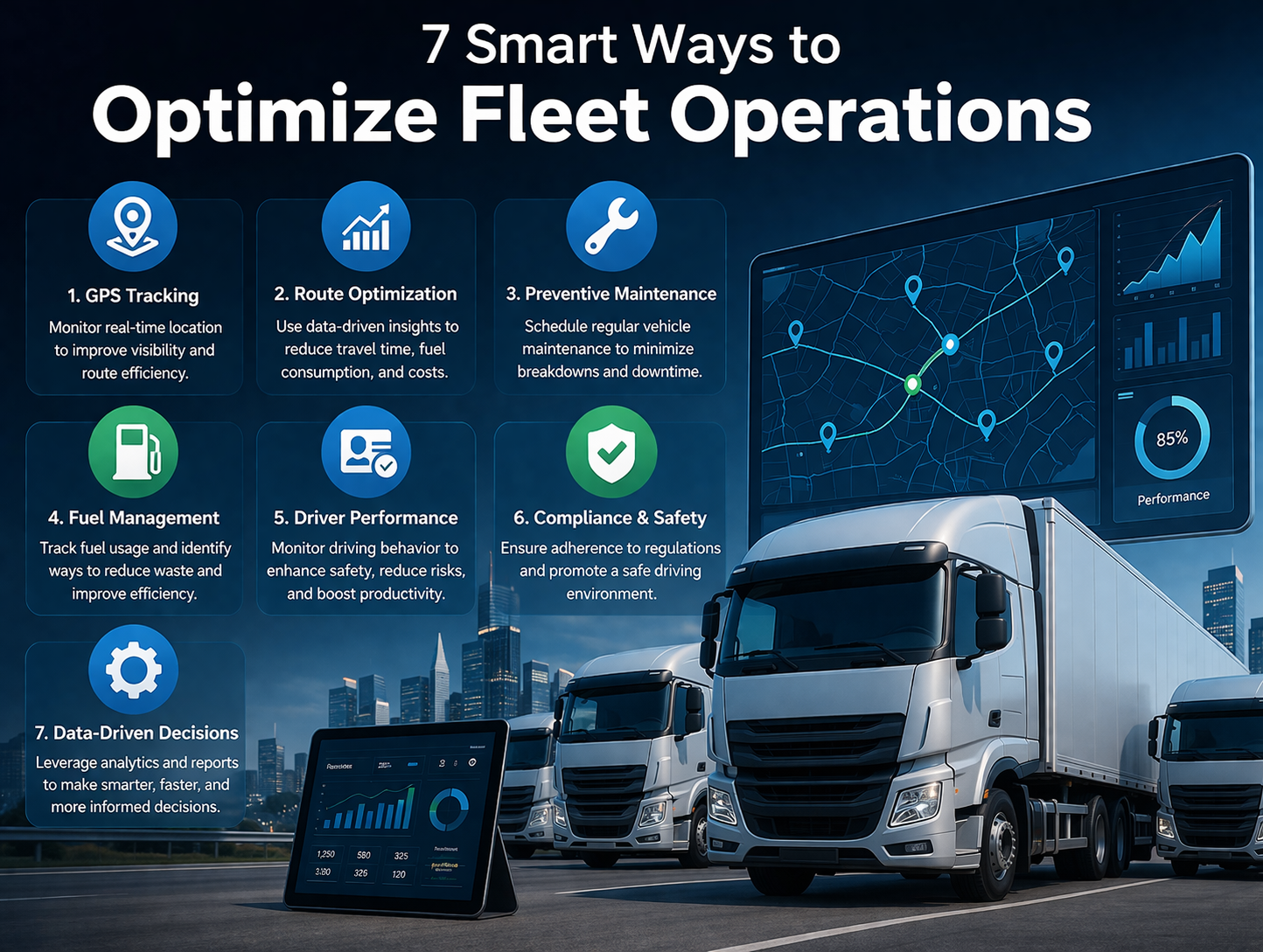
Managing a commercial fleet is a complex logistical challenge that requires constant balancing of vehicle maintenance, driver safety, and fuel costs. When fleet operations are not fully optimized, businesses face bloated budgets, increased vehicle downtime, and delayed delivery schedules. Implementing strategic improvements can transform a sluggish fleet into a highly efficient, cost-effective operation.
By applying the right methodologies and leveraging modern technology, managers can streamline daily workflows and extend the lifespan of their vehicles. This guide outlines seven actionable ways to optimize your fleet operations, reduce overhead, and boost your bottom line.
1. Implement Advanced Telematics Systems
Telematics technology bridges the gap between digital data and physical vehicles. By installing telematics devices across your fleet, you gain real-time visibility into vehicle location, speed, and driver behavior. According to industry data, fleets that utilize advanced telematics can reduce their fuel consumption by up to 15% simply by monitoring and correcting excessive idling and speeding.
To get started, evaluate telematics software that integrates seamlessly with your existing management tools. Focus on platforms that offer customizable alerts so dispatchers can immediately address route deviations or unsafe driving habits.
2. Prioritize Preventive Maintenance
Waiting for a vehicle to break down before servicing it is a guaranteed way to lose money and disrupt scheduling. A robust preventative maintenance program ensures that minor mechanical issues are caught before they escalate into catastrophic failures. This is especially critical when dealing with heavy-duty or specialized assets. For example, if your fleet utilizes a Concrete trailer, strictly adhering to a maintenance schedule prevents structural fatigue and keeps the equipment operating safely under immense stress.
Create a digital calendar that triggers maintenance alerts based on engine hours or mileage rather than just calendar dates. This targeted approach keeps vehicles on the road longer and significantly lowers unexpected repair costs.
3. Optimize Route Planning Using AI
Manual route planning often fails to account for the unpredictable variables of the road, such as sudden traffic jams, weather conditions, or road closures. Utilizing artificial intelligence-driven route optimization software allows fleet managers to calculate the most efficient paths in seconds. These programs analyze historical data and real-time traffic updates to minimize miles driven and ensure timely arrivals.
Implement routing software that allows for dynamic rerouting. When dispatchers can adjust paths on the fly, drivers avoid wasting fuel in gridlock, and customer satisfaction increases due to reliable delivery windows.
4. Invest in Comprehensive Driver Training
Even the most advanced fleet technology is only as effective as the people operating the vehicles. Driver behavior directly impacts fuel efficiency, maintenance costs, and liability risks. Aggressive driving tactics like harsh braking and rapid acceleration wear down brake pads and consume excess fuel.
Develop a continuous training program that rewards safe, efficient driving. Use the data collected from your telematics systems to provide personalized feedback to drivers. When employees understand how their driving habits affect the vehicle and the company’s operational costs, they are more likely to adopt safer, more sustainable practices.
5. Leverage Fuel Management Systems
Fuel is often the largest variable expense for any fleet. Without a dedicated system to track its usage, pinpointing waste or theft is incredibly difficult. Fuel management systems provide detailed insights into how much fuel is being purchased and consumed by each specific vehicle.
Issue fleet fuel cards that require employees to input their odometer readings at the pump. This simple step creates a measurable paper trail, allowing you to easily identify vehicles that are underperforming in miles-per-gallon and flag potential mechanical issues or unauthorized fuel purchases.
6. Utilize Data Analytics for Strategic Decisions
Modern fleets generate a massive amount of data daily, but collecting data is useless if it is not properly analyzed. Shifting from reactive management to proactive leadership requires a deep dive into analytics. By reviewing long-term trends in vehicle utilization, maintenance frequency, and delivery times, fleet managers can make informed decisions about asset life cycles.
Set aside time each quarter to review your key performance indicators (KPIs). If the data shows that specific vehicle models consistently require more maintenance than others, you can confidently phase them out of your procurement strategy in favor of more reliable assets.
7. Adopt Aerodynamic and Weight-Reduction Strategies
Physical resistance is the enemy of fuel efficiency. The heavier a vehicle is, and the more wind resistance it faces, the harder the engine has to work. Implementing aerodynamic modifications and reducing unnecessary payload weight are highly effective ways to optimize long-haul fleet performance. The North American Council for Freight Efficiency notes that simple aerodynamic additions can yield fuel savings of 1% to 10% per vehicle.
Equip trucks with side skirts, roof fairings, and aerodynamic mud flaps. Additionally, conduct regular audits of the equipment stored in your vehicles; removing unnecessary tools and debris reduces the gross weight and translates directly into fuel savings over thousands of miles.
Optimizing fleet operations is an ongoing process that demands a combination of smart technology, preventative care, and strategic planning. By integrating telematics, focusing on routine maintenance, and empowering your drivers with the right training, you can dramatically reduce operating expenses and improve reliability. Taking a proactive, data-driven approach ensures that your fleet remains a durable and highly efficient component of your overarching logistical infrastructure.