
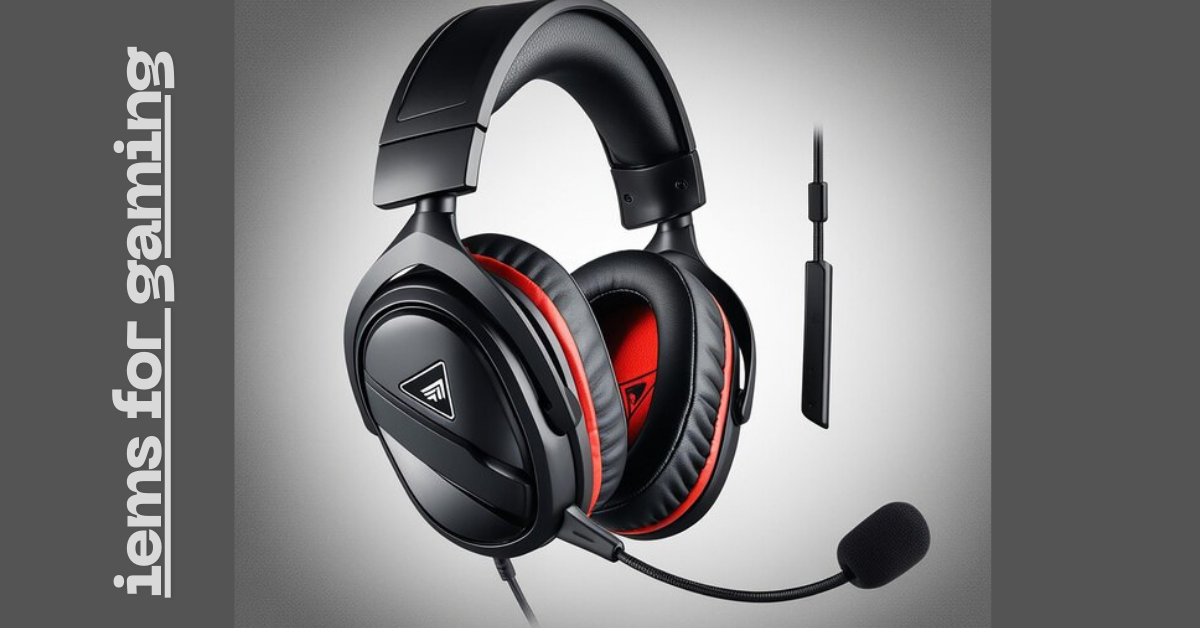
A couple of years ago, I was in the middle of a late-night gaming session. You know the kind—lights off, screen glowing, trying to clutch a round while the rest of the team watches. Suddenly I heard faint footsteps behind me in the game. I reacted just in time and won the fight.
But the funny thing is… I wasn’t using a gaming headset.
I was testing a pair of IEMs for gaming—something I had originally bought just for music. That night changed my perspective completely. Since then, I’ve spent countless hours experimenting with different in-ear monitors while playing competitive and casual games.
If you’re curious whether IEMs are good for gaming, or wondering if they’re worth replacing your headset, I’ll share my honest experience and tips in this guide.
What Are IEMs and Why Gamers Are Using Them
If you’re new to the term, IEM stands for In-Ear Monitor. They’re small earphones designed originally for musicians and audio professionals.
Unlike typical earbuds, IEMs focus on:
-
Precise sound separation
-
Clear audio details
-
Strong noise isolation
-
Lightweight comfort
In the gaming world, these features can actually give you a surprising advantage.
Instead of bulky headphones, you get something small that delivers extremely detailed audio.
And trust me—hearing tiny sound cues matters in gaming.
My First Experience Using IEMs for Gaming
The first time I tried gaming with IEMs, I honestly expected them to be worse than my gaming headset.
But I noticed something immediately.
The sound clarity was sharper.
Footsteps in FPS games sounded more defined. Reload sounds were easier to locate. Even background audio in open-world games felt more layered.
After a few hours, I realized something else.
My ears weren’t tired.
Heavy headsets used to make my head feel warm after long sessions. IEMs felt almost weightless.
That’s when I started researching gaming audio gear, and it turns out many competitive players already use them.
Why IEMs Work So Well for Gaming
Better Sound Positioning
One of the biggest advantages of IEMs for FPS games is directional sound.
In competitive games, you need to detect:
-
Footsteps
-
Gunshots
-
Reload sounds
-
Ability cues
Good IEMs separate these sounds clearly. Instead of everything blending together, each sound feels placed in space.
That makes reaction times faster.
Noise Isolation Helps Focus
Most IEMs seal inside your ear canal.
This naturally blocks outside noise.
When I’m gaming, that means:
-
No keyboard distractions
-
Less background noise
-
More focus on the game
It’s similar to wearing noise-isolating headphones, but without the bulk.
Comfort for Long Gaming Sessions
This was the biggest surprise for me.
Gaming headsets can get heavy after hours. The pressure on your head slowly builds up.
IEMs feel different.
They are:
-
Lightweight
-
Compact
-
Easy to wear for hours
Once you find the right ear tips, they almost disappear in your ears.
Games Where IEMs Shine the Most
In my experience, IEMs perform especially well in competitive titles.
FPS Games
Examples include tactical shooters and battle royale games.
You’ll hear:
-
Enemy footsteps
-
Distant gunfire
-
Directional movement
These small details can change the outcome of a fight.
Tactical Strategy Games
Games where audio cues matter benefit a lot from clear sound separation.
Things like:
-
Ability sounds
-
Environmental movement
-
Hidden enemy cues
become easier to detect.
Immersive Story Games
Even outside competitive gaming, IEMs enhance immersion.
Ambient sounds feel more detailed, which makes exploring game worlds more enjoyable.
Personal Tip #1: Always Change the Ear Tips
This is something I learned the hard way.
The default ear tips that come with IEMs often aren’t the best.
When I switched to better silicone tips, the difference was huge.
Benefits I noticed:
-
Better comfort
-
Improved sound isolation
-
Stronger bass response
So if you buy IEMs for gaming, experiment with different ear tips.
It’s a small change that can dramatically improve your experience.
Personal Tip #2: Use a DAC or Good Audio Source
Another thing I discovered while testing audio gear is that sound source matters.
Plugging IEMs directly into a motherboard sometimes works fine.
But using a DAC (Digital-to-Analog Converter) can improve:
-
Audio clarity
-
Soundstage
-
Volume control
You don’t always need one, but if your audio sounds weak, this might be the reason.
Things to Consider Before Buying IEMs for Gaming
Not all IEMs perform the same.
If you’re choosing your first pair, here are a few things to keep in mind.
Sound Signature
Different IEMs have different sound tuning.
For gaming, a balanced or slightly bright sound works best.
This helps highlight:
-
Footsteps
-
Environmental sounds
-
Directional cues
Cable Quality
Many IEMs use detachable cables.
This is actually a great feature.
If a cable breaks, you can replace it instead of buying new earphones.
Some cables also include microphones for voice chat.
Fit and Comfort
Every ear shape is different.
Comfort depends heavily on:
-
Ear tip size
-
Shell shape
-
Cable design
Try different options until you find the perfect fit.
IEMs vs Gaming Headsets
This is probably the most common question.
Should you use IEMs or a gaming headset?
Here’s my honest comparison.
Gaming Headsets
Pros:
-
Built-in microphone
-
Plug-and-play setup
-
Surround sound software
Cons:
-
Bulky
-
Can get hot during long sessions
-
Often overpriced for the audio quality
IEMs
Pros:
-
Better sound clarity
-
Lightweight and portable
-
Excellent noise isolation
Cons:
-
Usually no built-in mic
-
Requires finding the right fit
For pure audio performance, I personally prefer IEMs.
But if you need convenience and a built-in microphone, a headset might still be easier.
Are IEMs Good for Competitive Gaming?
In my experience—yes.
Many esports players use IEMs during tournaments.
Why?
Because they deliver accurate sound positioning, which is critical in competitive environments.
When every second counts, hearing the direction of footsteps even half a second earlier can make the difference between winning and losing.
Related Keywords Gamers Search For
While researching this topic, I noticed many gamers also look for:
-
best IEMs for gaming
-
gaming audio gear
-
IEM vs headset gaming
-
budget gaming IEMs
-
competitive gaming audio
If you’re exploring gaming audio upgrades, these topics are worth reading about too.
Final Thoughts: Should You Try IEMs for Gaming?
After spending hundreds of gaming hours using them, I can confidently say that IEMs for gaming are seriously underrated.
-
Incredible sound detail
-
Lightweight comfort
For competitive gamers, the improved sound positioning can actually help performance. And for casual players, they make games feel more immersive.