
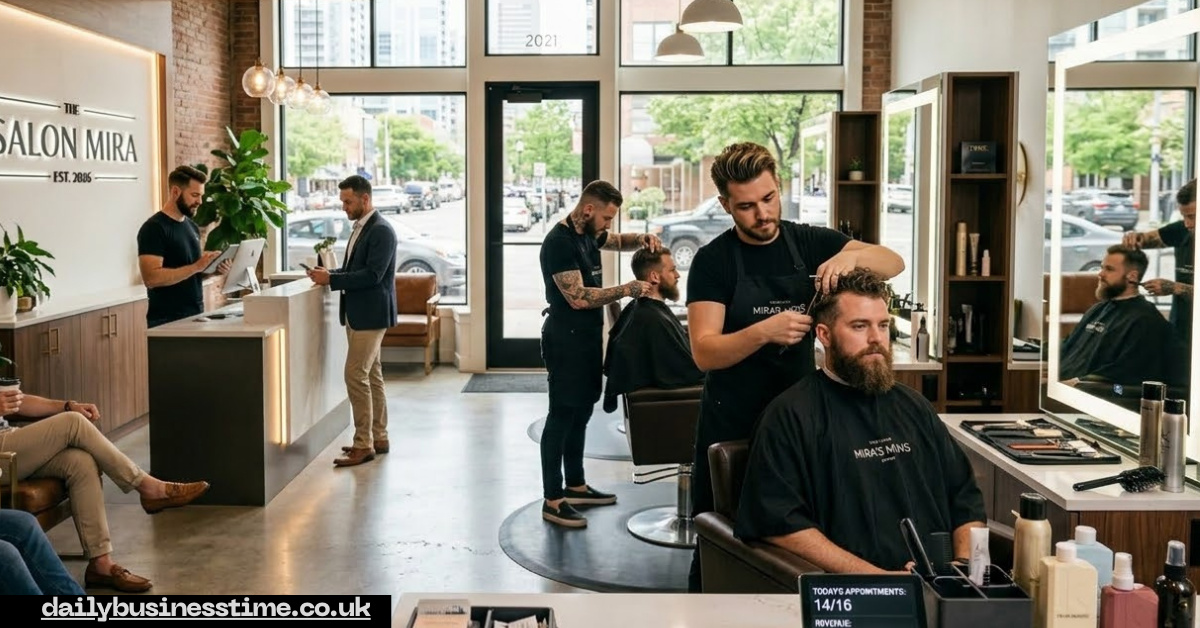
Is Opening a Hair Salon Profitable in 2026?
The beauty industry has a reputation for being ‘recession-proof,’ but does that old adage still hold water in 2026? Many entrepreneurs are currently asking if opening a hair salon is a smart move or a expensive hobby. With inflation cooling but labor costs remaining high, the math behind the chair has changed. It is no longer just about who can do the best balayage. It is about who understands the cash flow. The industry is currently valued at billions, yet individual owners often struggle to see a dime of profit in their first eighteen months.
So, what is the reality for a small business owner looking to break into the market today? Well, the answer depends on your ability to pivot from being a stylist to being a CEO. The demand for personal care is higher than ever, but the barriers to entry have become more sophisticated.
The Real Cost of Getting Those Doors Open
When you start looking into opening a hair salon, the first thing that hits you is the sticker shock of the build-out. In 2026, a basic lease is not enough. You need ventilation systems that meet modern health standards and lighting that looks good on social media. A mid-range salon with six to eight stations can easily run an owner between $60,000 and $130,000 before the first client even walks in.
Inventory is another beast. You cannot just have a few bottles of shampoo on the shelf. High-end backbar products and retail lines require significant upfront capital. This is often where salon financing comes into play for most savvy owners. Trying to bootstrap a launch of this size often leads to ‘death by a thousand cuts’ where you run out of working capital just as you are gaining momentum. Is it possible to start smaller? Sure, but the competition in the luxury and ‘express’ segments is fierce, making a professional appearance a non-negotiable requirement for success.
How Much Revenue is Actually Walking Through the Door?
The revenue model for a salon has shifted away from the standard ‘cut and dry.’ In 2026, the real money is in specialized treatments. If a salon is only doing $60 haircuts, they are likely barely covering the rent. The most profitable shops are focusing on chemical services, scalp treatments, and extensions.
The rise of the ‘extension bar’ has been a game changer for margins. Because the cost of high-quality human hair is so high, many owners are now utilizing hair extensions financing to keep their inventory stocked without tied up all their cash. When a single service can net $1,000 or more, the return on investment for that inventory becomes very clear. If you are not offering these high-ticket items, you are essentially leaving money on the table.
Where the Profit Disappears: The Overhead Trap
So, where does the money go? Even if you have a line out the door, opening a hair salon comes with massive ‘invisible’ costs. Labor is usually the biggest line item, often taking up 45% to 55% of your total revenue. Then you have the utilities and the ever-increasing cost of professional insurance.
There is also the ‘no-show’ factor. In 2026, a missed appointment is not just an inconvenience; it is a direct hit to your bottom line. Successful owners are using automated deposit systems to protect their time. If your margins are hovering around 10% or 15%, you do not have much room for error. You have to be meticulous about tracking every penny, from the cost of the color bowls to the commission splits you offer your team.
Smart Ways to Pay for Your Vision
Most people do not have a quarter-million dollars sitting in a savings account. This is why understanding your options for salon financing is vital. You have to look at debt as a tool rather than a burden. Whether it is SBA financing for your initial location or a merchant cash advance to cover a slow winter season, having access to capital is what separates the survivors from the statistics.
For instance, if you want to upgrade your equipment to the latest AI-driven color processors, equipment financing allows you to pay for the machines as they generate revenue. The same logic applies to hair extensions financing. By leveraging credit to buy bulk inventory, you can often negotiate better rates from suppliers, which directly improves your profit margins on those services. It is all about using other people’s money to build your equity.
Is the Market Too Crowded for New Salons?
You might look at the three salons on your block and think the market is saturated. However, the ‘suite’ revolution has actually created a gap for traditional, high-end salons. While many stylists are moving to individual suites, clients often miss the full-service experience, such as the front desk, the beverage service, and the team atmosphere.
Opening a hair salon that offers a premium, cohesive experience is a winning strategy in 2026. People are tired of the DIY feel of some booth-rental spots. They want a brand they can trust. If you can build a culture where stylists want to stay and clients feel pampered, you can easily out-compete the solo practitioners. The key is to find a niche, whether that is eco-friendly products or specialized curly hair techniques, that makes your business the only logical choice in town.
Technology: Your New Best Friend
You cannot run a profitable salon in 2026 with a paper book and a landline. Modern profitability is driven by data. You need to know your client retention rate, your average ticket price, and your most profitable hours of the week. Many owners are now using software that automatically nudges clients to book their next appointment before they even leave the chair.
This tech-forward approach also makes you a better candidate for salon financing down the road. Lenders really dig clean books and revenue they can actually count on. Show them your tech keeps a 70% rebook rate, and you will have a much easier time securing the salon financing needed to scale to your next location.
Conclusion
Is opening a hair salon still a win for your wallet? Absolutely, but only if you obsess over your spreadsheets as much as your shears. The ‘build it and they will come’ era is dead; 2026 is all about funding it, tracking every cent, and scaling with intent.
Leaning into high-margin services and using tools like hair extensions financing is a smart way to offset those heavy startup costs. It is about working the system so those initial bills do not swallow your entire margin before you even get moving. It takes a lot of grit and a fair amount of capital, but for those who get the formula right, the beauty business remains one of the most rewarding paths in the American small business landscape. Just make sure you have your funding in place before you pick out your floor tile.