
Shipping damage costs businesses billions of dollars every year. Whether you’re a small e-commerce seller or a large-scale distributor, a damaged package isn’t just a financial loss—it’s a blow to your brand reputation. The good news? Most shipping damage is entirely preventable. Here are seven packaging habits that will keep your products safe from warehouse to doorstep.
1. Choose the Right Box Size
Oversized boxes are one of the most common causes of shipping damage. When a product has too much room to move around, it’s more likely to shift, tip, and collide with the interior walls of the box during transit. Always select a box that closely matches your product’s dimensions, leaving just enough room for a layer of protective cushioning on all sides. If you ship a high volume of products, consider investing in custom-sized packaging to eliminate guesswork.
2. Use High-Quality Cushioning Materials
Bubble wrap, foam inserts, and air pillows aren’t just fillers—they’re shock absorbers. The key is using the right type of cushioning for the right product. Fragile items benefit most from foam inserts that conform to the product’s shape, while irregularly shaped goods are better protected by loose-fill peanuts or crumpled kraft paper. Aim for at least two inches of cushioning on all sides of the product to absorb impact from drops and vibrations.
3. Secure Bundles with Heavy-Duty Strapping
For industrial shipments or larger packages, proper strapping is essential. Polyester and steel strapping both offer strong tensile strength, but the choice of seal matters just as much as the strap itself. Many logistics professionals rely on stainless steel wing seals for a dependable, rust-resistant hold that maintains its integrity even under the stress of long-haul transport. A loose or failing seal can cause entire pallets to shift, leading to widespread damage across a shipment.
4. Reinforce Box Seams and Corners
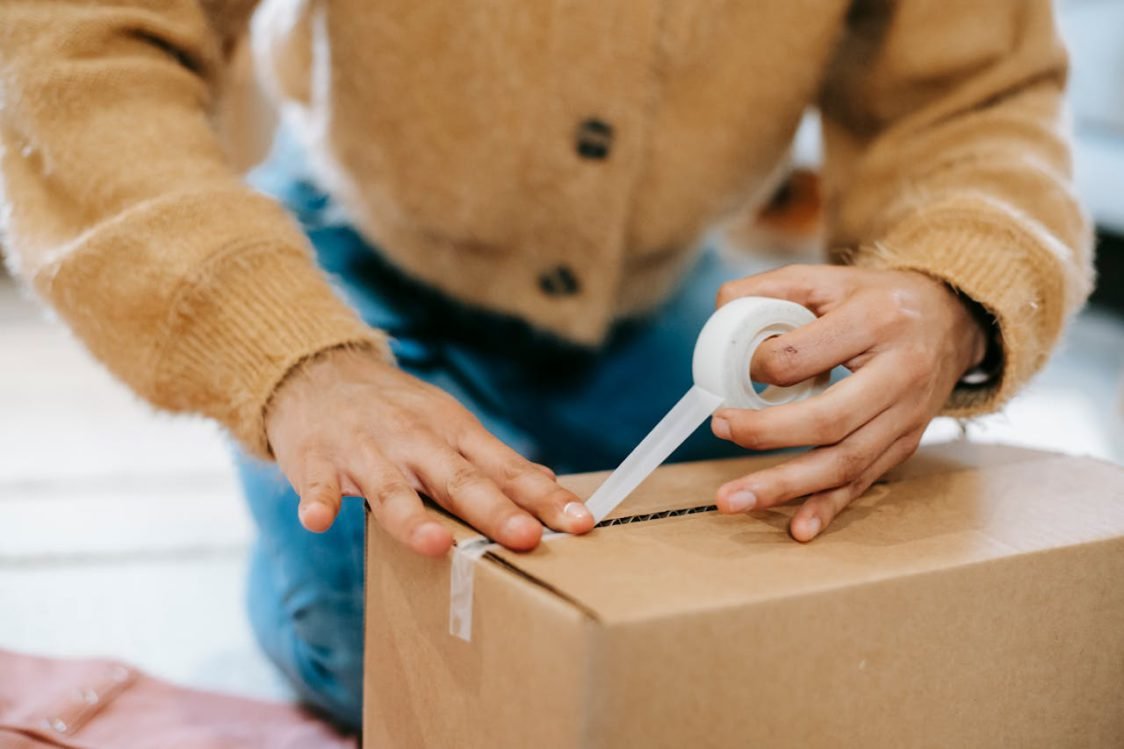
The seams and corners of a cardboard box are its weakest points. A single layer of tape is rarely sufficient for heavier items or shipments traveling long distances. Use at least three strips of high-quality packing tape along every seam—top, bottom, and sides. For particularly heavy products, consider double-boxing, which involves placing the packed item inside one box, then placing that box inside a larger one with additional cushioning in between.
5. Label Packages Clearly and Accurately
Clear labeling might seem like a communication issue rather than a packaging one, but it directly impacts how your package is handled. Packages marked “Fragile,” “This Side Up,” or “Do Not Stack” are more likely to be treated with appropriate care throughout the shipping process. Ensure that labels are large, legible, and placed on multiple sides of the package. Waterproof labels are worth the extra investment, particularly for shipments exposed to outdoor conditions.
6. Account for Environmental Factors
Temperature fluctuations, humidity, and moisture can be just as damaging as physical impacts. Electronics, perishables, and certain chemicals are especially vulnerable to environmental exposure during shipping. Use moisture-absorbing desiccant packs inside packaging to combat humidity, and consider thermal insulation for temperature-sensitive goods. If your products will be shipped in extreme climates or across long distances, testing your packaging in simulated conditions before rolling it out at scale is a smart precaution.
7. Conduct Regular Packaging Audits
Even the best packaging strategy needs to evolve. Shipping conditions change, carriers update their handling procedures, and new materials become available. Set aside time each quarter to review your damage rates, analyze customer complaints, and assess whether your current packaging is still fit for purpose. Collect data on which products are most frequently damaged and trace the issue back to specific packaging decisions. Small, incremental improvements made consistently over time can lead to a dramatic reduction in overall damage rates.
Shipping damage is rarely a matter of bad luck—it’s almost always the result of preventable packaging oversights. By building these seven habits into your standard packing process, you’ll protect your products more effectively, reduce costly returns, and deliver a better experience to every customer who opens one of your packages.