
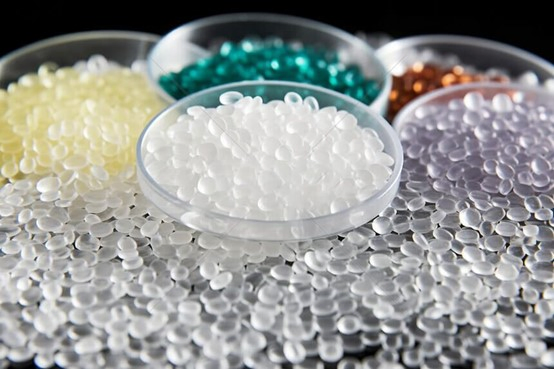
Plastic processing has evolved significantly since the early 20th century, becoming a critical part of manufacturing in industries like aerospace, automotive, medical, and consumer goods. The main challenge for manufacturers is selecting the right plastic from hundreds of available polymers, as this choice affects product performance and cost.
Thermoplastics vs. Thermosets: Understanding the Basics
Before diving into specific materials, it helps to understand the two broad categories that define industrial plastics.
Thermoplastics soften when heated and solidify when cooled—a process that can be repeated multiple times. This makes them ideal for high-volume manufacturing, recycling, and applications requiring tight tolerances. Common processing methods include injection molding, extrusion, and blow molding.
Thermosets, on the other hand, undergo an irreversible chemical reaction during curing. Once hardened, they cannot be remelted. This gives them excellent dimensional stability and resistance to heat and chemicals, making them the go-to choice for demanding structural and electrical applications. Epoxy resins, phenolics, and polyurethanes fall into this category.
Each class has its strengths. The right choice depends on the end-use environment, production volume, and performance requirements.
Polyethylene and Polypropylene: The Workhorses of Industry
Two of the most widely used thermoplastics in industrial settings are Polyethylene (PE) and Polypropylene (PP)—and for good reason.
Polyethylene comes in several densities, most notably HDPE (high-density) and LDPE (low-density). HDPE is prized for its strength-to-density ratio and chemical resistance, making it a staple in piping systems, tanks, and packaging. LDPE, meanwhile, offers flexibility and impact resistance, commonly used in films and tubing.
Polypropylene shares many of PE’s advantages but adds better heat resistance and fatigue strength. It’s widely used in living hinge applications, automotive components, and food-grade containers. Its resistance to moisture and most acids also makes it a reliable choice in chemical processing environments.
Both materials are cost-effective, lightweight, and easy to process—qualities that keep them at the top of the preferred materials list for high-volume industrial manufacturing.
Specialized Materials for Advanced Technology Applications
As product performance demands increase, so does the need for specialized polymer solutions.
PEEK (Polyether ether ketone) is one of the highest-performing thermoplastics available. With continuous service temperatures exceeding 250°C and exceptional resistance to radiation and hydrolysis, PEEK is used extensively in aerospace components, medical implants, and semiconductor equipment.
PPS (Polyphenylene sulfide) offers outstanding chemical resistance and dimensional stability at elevated temperatures. It’s a preferred material in automotive fuel systems, pump components, and electrical connectors.
PTFE (Polytetrafluoroethylene), commonly known as Teflon, remains unmatched for its non-stick properties and low coefficient of friction. It’s critical in applications where conventional materials would fail—such as chemical processing seals, bearings, and electrical insulation.
Alongside these high-performance materials, custom PVC extrusion remains a widely used specialized process for creating tailored profiles, tubing, and channels across construction, medical, and industrial sectors, valued for its flexibility, chemical resistance, and low cost.
Engineering Plastics: Nylon, Polycarbonate, and Acetal
Bridging the gap between commodity plastics and high-performance polymers, engineering plastics deliver superior mechanical and thermal properties at a more accessible price point.
Nylon (Polyamide)
Nylon’s combination of high tensile strength, abrasion resistance, and self-lubricating properties makes it one of the most versatile engineering polymers on the market. It’s used in gears, bearings, bushings, and structural components across automotive and industrial machinery. One consideration: nylon absorbs moisture, which can affect dimensional stability, making material selection and design critical.
Polycarbonate (PC)
Polycarbonate is best known for its near-unbreakable impact resistance and optical clarity. It performs well across a broad temperature range and is commonly found in safety equipment, electronic housings, medical devices, and glazing applications. Its ability to be alloyed with other materials, such as ABS, also gives manufacturers flexibility in balancing cost and performance.
Acetal (POM)
Acetal, or polyoxymethylene, is a precision engineer’s choice. Its low friction, high stiffness, and excellent dimensional stability make it ideal for close-tolerance parts like gears, valves, and fasteners. Unlike nylon, acetal absorbs very little moisture, which translates to more consistent performance in humid environments.
The Role of Additives and Reinforcements
Raw polymer is rarely used in its pure form for industrial applications. Additives and reinforcements are what transform a basic plastic into a high-performance material.
Glass fiber reinforcement is one of the most common enhancements, significantly increasing tensile strength and stiffness in materials like nylon and polypropylene. Carbon fiber takes this further, offering an exceptional strength-to-weight ratio for lightweight structural applications.
UV stabilizers extend the service life of outdoor plastics by preventing photodegradation. Flame retardants are critical in electrical and construction applications where fire safety standards must be met. Plasticizers improve flexibility in otherwise rigid materials like PVC, while antioxidants protect polymers during processing and prolonged use.
The formulation of these additives is a science in itself. Getting the blend right can extend product lifespan, improve processing efficiency, and significantly reduce material waste.
The Shift Toward Sustainable Industrial Polymers
Sustainability is no longer a peripheral concern—it’s a central design criterion. Industrial plastic processors are under increasing pressure to reduce their environmental footprint, and that’s driving real change in material selection.
Bio-based plastics, such as PLA (polylactic acid) and PHA (polyhydroxyalkanoates), are derived from renewable feedstocks and offer biodegradability under the right conditions. While they currently lack the mechanical performance of conventional engineering plastics, ongoing research is closing that gap.
Recycled-content polymers are gaining traction as processing technologies improve. Post-consumer and post-industrial recycled materials are being incorporated into products where aesthetic appearance is less critical, such as piping, pallets, and construction components.
Chemical recycling—breaking polymers back down to their monomer building blocks—represents one of the most promising frontiers in sustainable plastic processing. Unlike mechanical recycling, it can handle mixed or contaminated plastic waste and produce virgin-quality material.
The trajectory is clear. Future industrial processing will increasingly favor materials that perform well and align with circular economy principles.
Choosing the Right Material for Your Manufacturing Needs
There’s no universal answer to material selection in industrial plastic processing. The right choice depends on a matrix of factors: operating temperature, mechanical load, chemical exposure, regulatory requirements, production volume, and lifecycle expectations.
A few practical principles can guide the decision:
- Start with end-use conditions. Define the temperature range, load-bearing requirements, and environmental exposure your part will face before evaluating materials.
- Factor in processing compatibility. Not every material suits every manufacturing process. High-viscosity polymers may not be ideal for thin-wall injection molding, for example.
- Balance performance with cost. High-performance materials like PEEK offer exceptional properties, but they come at a premium. Engineering plastics often deliver sufficient performance at a fraction of the cost.
- Consider long-term sustainability goals. Increasingly, customers and regulations are demanding materials with lower environmental impact. Building this into your material strategy now reduces future risk.
Understanding the full landscape of available materials—and how each behaves under real-world conditions—is what separates good product design from great manufacturing outcomes.
Conclusion
Now that you have a better understanding of engineering plastics, you can confidently select the best materials for your next project. Remember to consider key factors such as mechanical properties, thermal and chemical resistance, cost and sustainability goals in order to make an informed decision.