
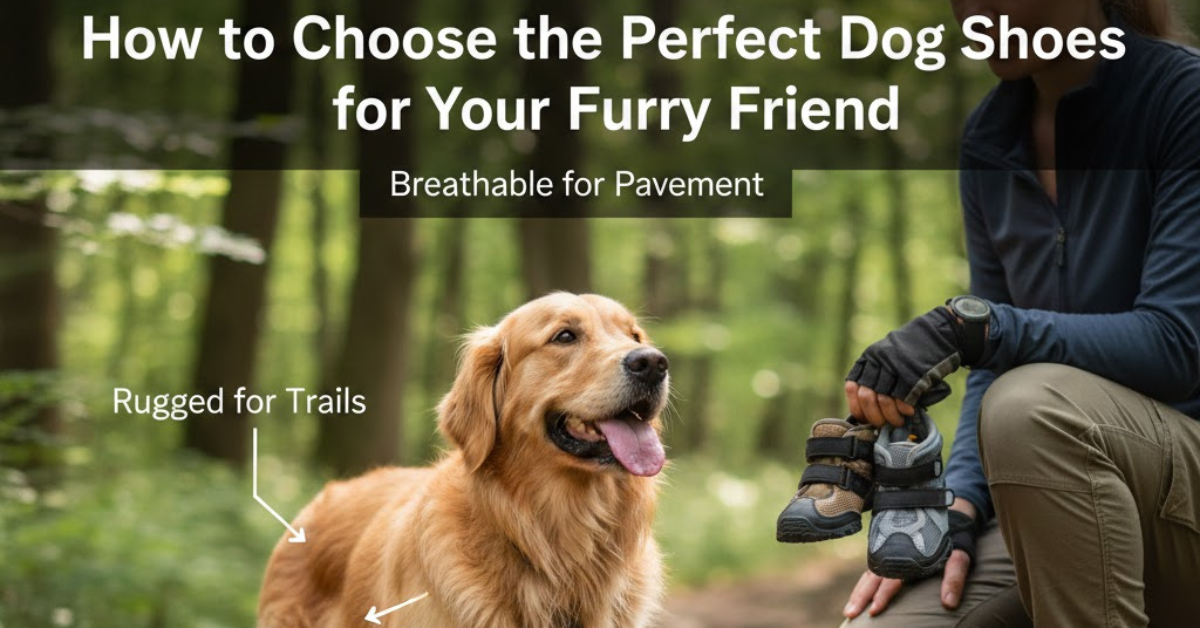
Finding the right gear for your dog is key to their happiness and safety. While you may have a favorite leash and collar, another accessory deserves your attention: dog shoes. They offer vital protection from hot pavement, icy sidewalks, and rough terrain. But with so many options available, picking the right pair can feel overwhelming.
This guide will walk you through everything you need to know to select the perfect dog shoes. We’ll cover how to measure your dog’s paws correctly, what materials to look for, and how to match the shoe to your dog’s specific activities.
Why the Right Fit Matters
Before diving into styles and materials, let’s talk about the most critical factor: the fit. Shoes that are too tight can cause painful chafing, restrict blood flow, and create pressure sores. On the other hand, shoes that are too loose will slip off, twist around, or cause your dog to trip and stumble. An improper fit can make your dog uncomfortable and unwilling to wear shoes at all, defeating the purpose of buying them.
A well-fitting shoe provides security and comfort, allowing your dog to move naturally and confidently. Taking the time to get the measurements right is the most important step in your shopping journey.
How to Measure Your Dog’s Paws Accurately
Getting an accurate measurement is simpler than you might think. All you need is a piece of paper, a pen or pencil, and a ruler or tape measure.
Follow these simple steps:
- Place the Paw on Paper: Have your dog stand on a firm surface with a piece of paper under one of their front paws. It’s important that they put their full weight on the paw, as it will splay out to its natural, load-bearing size. You may need a treat to encourage them to stand still.
- Trace the Paw: Using a pen or pencil, trace around the paw. Make sure your pen is held straight up and down to get the most accurate outline.
- Mark the Width and Length: Once you have the tracing, lift the paw. Mark the widest part of the outline for the width. Then, mark the longest part, from the back of the largest paw pad to the tip of the longest toenail, for the length.
- Measure the Marks: Use your ruler or tape measure to get the exact width and length in inches or centimeters.
- Repeat for a Back Paw: A dog’s back paws are often slightly smaller than their front paws. It’s a good idea to repeat the process for a back paw to ensure you get the best fit for all four feet. If there’s a significant difference, you might need to buy two different sizes.
Always compare your measurements to the manufacturer’s sizing chart. Each brand has its own sizing, so never assume your dog will be the same size across different products. When in doubt, it’s often better to size up slightly than to choose a pair that’s too snug.
Choosing the Right Material for Your Needs
The material of a dog shoe determines its function, durability, and comfort. Think about when and where your dog will be wearing their new booties.
For Weather Protection
- Summer Heat: Look for shoes with breathable mesh uppers and rubber soles. The mesh allows for air circulation to keep paws cool, while the rubber insulates against hot pavement and asphalt. A light-colored sole can also help by reflecting heat.
- Winter Cold and Ice: Water-resistant or waterproof materials like nylon or treated leather are essential for winter. Look for shoes with a soft fleece lining for extra warmth. A good sole with deep treads will provide traction on snow and ice, preventing slips. Waterproof materials also protect paws from toxic de-icing salts.
For Outdoor Adventures and Hiking
If you and your dog love hitting the trails, durability is paramount.
- Uppers: Choose shoes with rugged but flexible uppers made from tightly woven nylon or similar synthetic fabrics. These materials resist tears and punctures from rocks and thorns.
- Soles: The sole should be thick, grooved, and made from high-traction rubber, much like a human hiking boot. This provides grip on uneven and slippery surfaces while protecting paws from sharp objects.
For Indoor Use and Senior Dogs
For dogs who need extra grip on slippery indoor floors or have sensitive paws, comfort is the priority.
- Material: Lightweight, soft materials like fleece or cotton are ideal. Look for sock-style booties with a rubberized or silicone pattern on the bottom for traction. These are less about protection and more about stability and comfort.
Key Features to Look For
Beyond fit and material, several features can enhance the functionality and comfort of dog shoes.
Secure Fastening System
The shoes must stay on, even when your dog is running and playing. Look for adjustable straps, usually with hook-and-loop (Velcro) fasteners. Two straps per shoe—one at the ankle and one higher up—often provide the most secure fit. This design prevents the shoe from rotating or slipping off.
Reflective Accents
If you walk your dog in the early morning or evening, reflective straps or trim are a fantastic safety feature. They make your dog more visible to cars and cyclists in low-light conditions, reducing the risk of accidents.
Flexibility and Sole Design
A good dog shoe should protect the paw without restricting its natural movement. The sole should be flexible enough to allow the paw to bend as your dog walks. A rigid sole can be awkward and uncomfortable. The tread pattern should also match the intended use—deeper, more aggressive treads for hiking and simpler patterns for casual walks or indoor use.
Getting Your Dog Comfortable with Their New Shoes
Most dogs aren’t used to having something on their paws. Introducing shoes gradually is the key to success.
- Start Slow: Let your dog sniff and investigate the new shoes. Reward them with praise and treats for showing interest.
- One at a Time: Put on just one shoe for a minute or two, distracting them with a toy or more treats. Then, take it off and praise them.
- Build Up Slowly: Gradually increase the number of shoes and the length of time they wear them inside the house.
- Expect a Funny Walk: Your dog will likely walk funny at first, lifting their paws high. This is normal. Be patient and positive, and they will soon adjust.
- First Outing: Keep the first outdoor walk in their new shoes short and fun.
A Worthwhile Investment in Your Dog’s Comfort
Choosing the right dog shoes is a small effort that pays huge dividends in your dog’s health and comfort. By carefully measuring their paws, considering the materials, and matching the shoe to their lifestyle, you can find a pair that offers perfect protection. A good set of shoes empowers your furry friend to join you on any adventure, safely and comfortably, no matter the weather or terrain.