
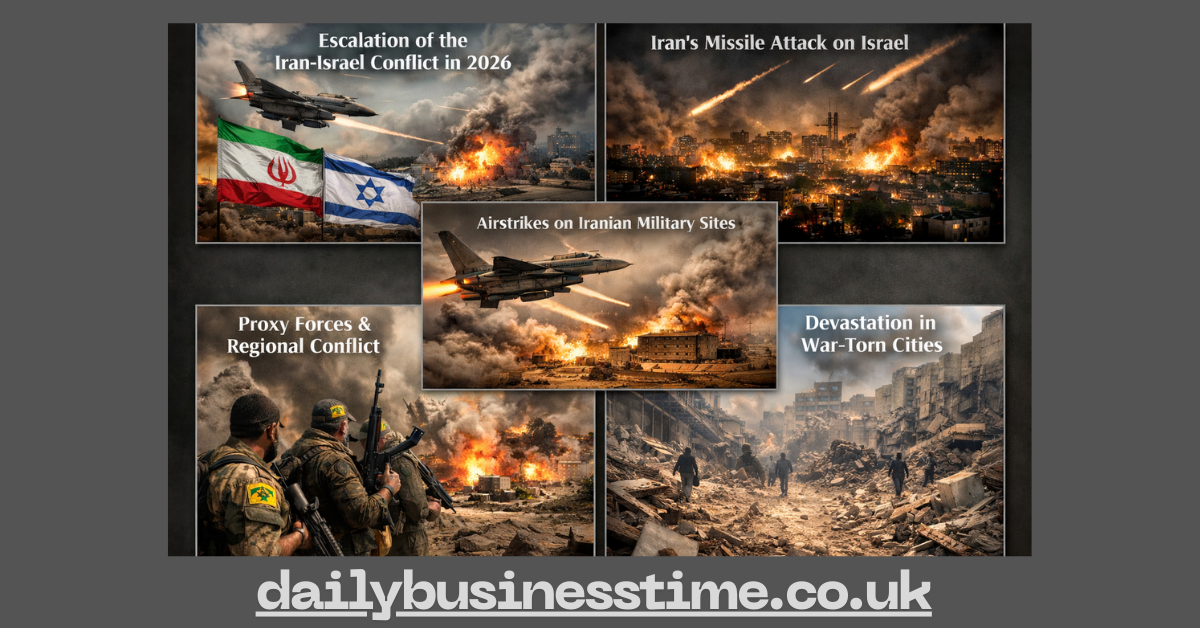
The israel iran conflict has long been one of the most complex and volatile geopolitical issues in the Middle East. What began as ideological and political disagreements decades ago has evolved into a multifaceted confrontation involving military strikes, proxy warfare, and international diplomacy. The significance of this conflict extends far beyond the borders of the two nations. It affects regional stability, global energy markets, and international security policies. In early 2026, the tension between Iran and Israel escalated dramatically, culminating in a series of military confrontations that have captured global attention. Understanding this conflict requires an examination of its historical roots, the key causes, and the recent developments that have shaped the current situation.
Historical Background
Relations between Iran and Israel underwent a dramatic transformation following the 1979 Iranian Revolution. Before the revolution, Iran maintained cordial relations with Israel, including political, military, and economic ties. However, the establishment of the Islamic Republic marked the beginning of decades of hostility. The new Iranian government rejected Israel’s legitimacy, framing it as a colonial and illegitimate state in the Middle East. This ideological stance fueled years of political rivalry, proxy wars, and covert operations.
Throughout the 1980s and 1990s, Iran supported anti-Israel militant groups such as Hezbollah in Lebanon and Hamas in the Gaza Strip. These alliances enabled Iran to exert influence in the region and challenge Israeli security directly. Meanwhile, Israel engaged in intelligence operations and cyber campaigns to counter Iranian activities, including targeted strikes against military infrastructure in Syria and covert attacks on Iran’s nuclear facilities. Over the years, these confrontations have escalated from diplomatic tensions to cyber warfare, and eventually to military engagements that threaten regional stability.
Major Causes of the Conflict
Several key factors underpin the israel iran conflict:
Iran’s Nuclear Program
One of the primary sources of tension is Iran’s nuclear program. While Tehran claims its nuclear activities are for peaceful energy purposes, Israel and many international observers suspect that Iran is seeking nuclear weapons capability. This potential shift in the regional power balance alarms Israel, which has long emphasized the threat posed by a nuclear-armed Iran. Attempts at international negotiations, including the 2015 nuclear deal, have failed to resolve these concerns fully, leading to continued suspicion and preemptive military planning by Israel.
Israel’s Security Fears
Israel perceives Iran’s regional influence and military ambitions as a direct threat to its national security. Beyond nuclear capabilities, Israel is concerned about Iran’s development of ballistic missiles, support for proxy militias, and growing presence in neighboring countries like Syria and Lebanon. Israel’s defense strategy emphasizes deterrence, including preemptive strikes against perceived threats and the deployment of sophisticated missile defense systems such as the Iron Dome and David’s Sling.
Political and Ideological Differences
The ideological divide between the Islamic Republic of Iran and the democratic state of Israel has deepened hostility. Iran’s rhetoric often includes calls for resistance against Israel, while Israel portrays Iran as an existential threat. This political and ideological chasm exacerbates mistrust, reduces the prospects for diplomacy, and fuels a cycle of confrontation.
Regional Influence and Proxy Groups
Iran has actively extended its influence across the Middle East through proxy groups. By supporting Hezbollah, Hamas, and various militias in Syria and Iraq, Iran projects power indirectly while limiting the risk of direct confrontation. Israel, in turn, seeks to neutralize these proxies to maintain regional security. This proxy dynamic has created an ongoing low-intensity conflict that periodically escalates into open military engagements.
Events Leading to the 2026 Escalation
The path to the 2026 escalation was marked by years of rising tensions. Prior to February 2026, both nations engaged in a series of provocative actions, including missile tests, drone incursions, and targeted cyberattacks. Diplomatic efforts, including UN interventions and negotiations involving the United States and European powers, failed to bridge differences. Each side issued warnings and ultimatums, yet no de-escalation mechanisms were successfully implemented. This steadily deteriorating environment set the stage for the outbreak of full-scale hostilities in early 2026.
Beginning of the War in February 2026
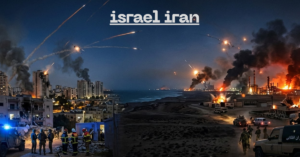
The [israel iran] conflict escalated into open warfare in late February 2026. The initial phase saw Israel launching large-scale airstrikes against Iranian military facilities, missile storage sites, and strategic infrastructure, primarily in Syria and within Iran’s border regions. Iran responded with missile attacks targeting Israeli military installations and cities in southern Israel. The rapid escalation marked a significant departure from previous skirmishes, with both sides engaging in sustained, high-intensity military operations that drew immediate international concern.
Military Actions Between Iran and Israel
Missile Attacks
Missile exchanges became a central feature of the conflict. Iran fired multiple long-range ballistic missiles toward Israeli military and civilian targets, while Israel employed precision strikes on Iranian bases and allied positions in Syria. Both nations claimed the attacks were defensive in nature, yet the scale of firepower underscored the severity of the confrontation.
Drone Warfare
Drone technology played a key role, with Iran deploying armed drones for reconnaissance and targeted attacks. Israel countered with drone interceptions and electronic warfare systems designed to neutralize Iranian unmanned aerial vehicles.
Airstrikes and Defense Systems
Israel’s air force executed coordinated strikes against Iranian military infrastructure, relying on advanced stealth and intelligence capabilities. Simultaneously, Iran attempted to defend its assets using air defense systems, although several sites were damaged or destroyed.
Retaliation and Strategic Targets
Retaliatory attacks targeted key military sites, command centers, and infrastructure critical to both nations’ war efforts. Israel focused on neutralizing Iranian proxies in Lebanon and Syria, while Iran targeted military and logistical nodes inside Israel. The intensity and scale of these operations reflected a significant escalation compared to previous confrontations.
Role of Other Countries
United States
The United States played a central role, providing intelligence, logistical support, and diplomatic backing to Israel. American officials also engaged in emergency diplomacy, urging both sides to limit civilian casualties and exploring ceasefire options.
Regional Countries
Neighboring Middle Eastern countries closely monitored the situation. Nations such as Saudi Arabia, the United Arab Emirates, and Turkey issued statements condemning attacks on civilians while simultaneously adjusting their military readiness. Some regional actors provided indirect support to either side, further complicating the conflict.
International Organizations and World Powers
The United Nations, European Union, and major world powers expressed concern over the humanitarian impact and regional destabilization. Calls for immediate ceasefire and negotiation intensified, although enforcement remained limited due to the complex dynamics of the conflict.
Impact on Civilians and Cities
The israel iran conflict has severely affected civilian populations:
-
Infrastructure Damage: Cities in southern Israel and border regions in Iran experienced significant destruction of residential buildings, schools, and hospitals.
-
Casualties: Hundreds of civilians were injured or killed, leading to mass displacement in affected areas.
-
Emergency Measures: Governments activated civil defense protocols, including evacuation plans and shelter provisions.
-
Daily Life: Public fear and disruptions in utilities, transport, and essential services have created long-term stress for local populations.
Economic and Global Impact
The conflict’s economic ramifications are widespread:
-
Global Oil Markets: Tensions in the Middle East drove up oil prices, affecting global fuel costs and energy security.
-
International Trade: Shipping routes in the Persian Gulf and Red Sea faced disruptions, impacting trade flows and regional commerce.
-
Political Stability: Middle Eastern political stability suffered as countries reassessed alliances, military expenditures, and diplomatic priorities.
-
Global Economy: Rising uncertainty influenced markets worldwide, contributing to volatility in stock exchanges and foreign exchange rates.
International Reactions
Global leaders responded with a mix of condemnation and calls for restraint. The United Nations and European countries urged immediate ceasefires and proposed peace talks. Diplomatic efforts intensified, involving emergency meetings, backchannel negotiations, and humanitarian assistance initiatives aimed at mitigating civilian suffering.
Current Situation March 2026
As of March 2026, the israel iran conflict remains active. While large-scale operations have slowed, sporadic missile strikes and targeted attacks continue. Diplomatic channels are engaged, with the United States, European powers, and regional actors seeking to mediate a ceasefire. Humanitarian organizations are working to provide aid to affected populations, yet tensions remain high, and no comprehensive peace agreement has been reached.
Possible Future Outcomes
The conflict’s trajectory depends on multiple factors:
-
Further Escalation: There is a risk that the war could intensify and draw in regional allies, potentially leading to a broader Middle Eastern conflict.
-
Diplomatic Solutions: Successful negotiations could lead to ceasefires, confidence-building measures, and long-term agreements on nuclear programs and military operations.
-
Long-Term Effects: Even after hostilities subside, the conflict may leave lasting impacts on infrastructure, civilian populations, and regional alliances.
Conclusion
The israel iran conflict of 2026 highlights the fragile balance of power in the Middle East and the global stakes of regional hostilities. From historical rivalries to nuclear concerns, proxy wars, and recent military escalations, the situation underscores the urgent need for diplomatic solutions. As both nations engage in military confrontations, the international community must prioritize negotiation, humanitarian assistance, and conflict prevention to safeguard regional and global stability. The ongoing tension serves as a reminder that diplomacy, rather than warfare, remains the most effective path toward enduring peace in the Middle East.