
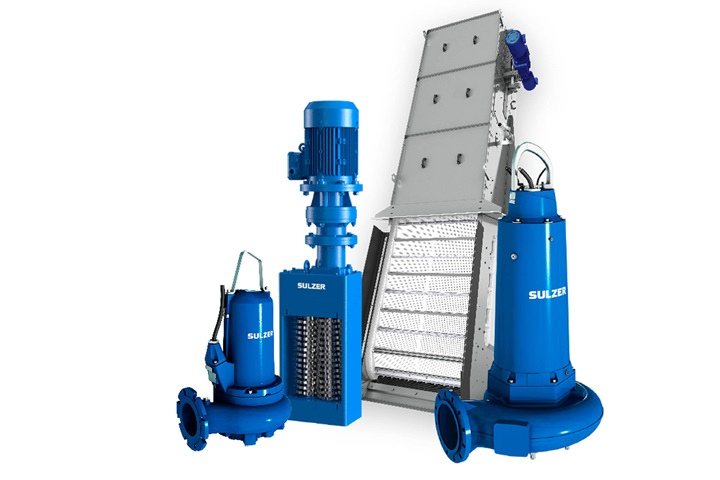
In many wastewater facilities, problems like repeated clogging, weak pumping performance, or rising energy bills often trace back to a simple issue, the pump was never the right fit for the system. A pump may run, but if it cannot handle the flow rate, solids, or operating conditions, the whole process becomes less efficient. Over time, that mismatch leads to frequent maintenance, downtime, and higher operating costs.
Wastewater pumps work in demanding environments. They must move water that often contains sludge, fibers, and other debris, sometimes running continuously for long periods. Because of this, engineers usually choose equipment designed specifically for these conditions rather than relying on general-purpose pumps.
This is why many municipal and industrial facilities use pumps designed for wastewater applications. Models developed for these systems focus on durability, solids handling, and reliable performance under heavy workloads.
Understanding how to choose the right pump model can make a major difference in system efficiency and long-term maintenance. The sections ahead break down the key factors engineers consider when selecting the right pump for a wastewater system.
Understanding Where Sulzer Pumps Are Used
Choosing the right pump becomes much easier when you first understand the environment where it will operate. Wastewater systems vary widely in size and complexity. Some handle municipal sewage every hour of the day, while others deal with industrial discharge from factories.
Each setting places different demands on the pump, especially when solids, sludge, and debris are present.
Municipal Wastewater Facilities
Municipal systems rely heavily on pumps to move wastewater between treatment stages. These pumps often run continuously and must handle large volumes of water without frequent clogging.
Common municipal applications include:
- Sewage lift stations that move wastewater from lower elevations to treatment plants
- Wastewater treatment plants where pumps transfer water between tanks and treatment stages
- Stormwater pumping stations that help control flooding during heavy rainfall
In these environments, reliability is essential. Pumps must maintain steady flow even when wastewater contains solids or fibrous materials.
Many facilities rely on Sulzer centrifugal pumps because they are designed to move wastewater efficiently while handling solids and debris found in real-world pumping systems.
Industrial Wastewater Systems
Industrial operations also produce wastewater that must be pumped safely and efficiently. The composition of this water can vary depending on the industry.
Examples include:
- Food processing plants, where wastewater may contain organic waste and oils
- Chemical manufacturing facilities, which require pumps that tolerate harsh liquids
- Mining and mineral processing plants, where water may carry sediment or slurry
Because industrial wastewater can be unpredictable, facilities often choose pumps designed specifically for demanding conditions.
After understanding where the pump will operate, the next step is evaluating the system requirements that determine the right pump model.
Key System Requirements to Evaluate Before Choosing a Pump
Selecting the correct pump model starts with understanding the basic operating conditions of the system. Engineers usually analyze several technical factors before deciding which pump will perform reliably over time.
These factors help ensure the pump can handle the workload without excessive wear or energy consumption.
Required Flow Rate
Flow rate describes how much wastewater the pump must move within a certain time, usually measured in cubic meters per hour or liters per second.
The required flow rate depends on the size of the system. For example:
- Large wastewater treatment plants may require high-capacity pumps to move large volumes of water every hour
- Smaller lift stations may operate with moderate flow rates but run more frequently throughout the day
If the pump cannot meet the required flow rate, wastewater may accumulate in tanks or pipelines.
Pump Head and Discharge Height
Pump head refers to the vertical distance the pump must lift the water and push it through the piping system. This is a critical factor in pump selection.
Several elements affect head requirements, including:
- Pipe length, which increases resistance
- Friction losses caused by bends, valves, and fittings
- Elevation differences between the pump and discharge point
Accurate head calculations help ensure the pump can move wastewater efficiently through the entire system.
Solids and Debris in the Water
Unlike clean water systems, wastewater often carries materials that can affect pump performance.
Common examples include:
- Fibers from textiles or wipes
- Sludge from treatment processes
- Organic waste from municipal or industrial sources
A pump designed to handle solids allows these materials to pass through the hydraulic components without blocking the flow. This reduces the risk of clogging and keeps the system running smoothly.
Once these operating conditions are clearly defined, engineers can focus on the pump design features that support reliable performance.
Design Features That Improve Pump Reliability
Wastewater pumps operate in harsh environments, so their design plays an important role in long-term performance. Modern submersible pumps include several engineering features that help them handle solids, resist wear, and operate continuously with minimal maintenance.
Clog-Resistant Hydraulic Design
One of the most important features in wastewater pumps is the hydraulic system that moves the water. Many pumps use specially shaped impellers that allow solids to pass through without blocking the flow path.
This design helps prevent debris from building up inside the pump and reduces the chance of unexpected shutdowns.
Durable Motor Construction
Submersible pumps operate underwater for extended periods. Because of this, their motors must be built to withstand constant exposure to moisture and demanding workloads.
Reliable designs often include:
- Heavy-duty insulation systems
- Thermal protection to prevent overheating
- Bearings designed for long operating hours
These features help ensure the motor continues running safely even during continuous operation.
Strong Sealing Systems
Mechanical seals are another critical component in submersible pumps. These seals prevent water from entering the motor housing, which could damage electrical components.
A well-designed sealing system helps maintain pump reliability and reduces the likelihood of costly repairs.
Together, these design features improve durability, reduce maintenance needs, and extend the lifespan of wastewater pumping equipment. After understanding these features, the next step is comparing the different pump models available for specific applications.
Comparing Different Sulzer Pump Models
Wastewater pumping systems vary widely in size and capacity, so manufacturers typically offer several pump models designed for different operating conditions. These models are built to handle specific flow rates, solids content, and installation requirements.
When evaluating pump options, engineers often compare several technical specifications.
Key factors that vary between models include:
- Motor power, which determines how much energy the pump can deliver
- Discharge size, affecting how quickly water can leave the pump
- Impeller design, which influences how solids move through the system
- Maximum solids size, defining the debris the pump can safely pass
Reviewing these details helps engineers match the pump’s capabilities with the needs of the wastewater system.
When reviewing specifications, many engineers compare different Sulzer submersible pumps to see which model best matches the required flow rate, discharge size, and solids-handling capability.
Carefully comparing pump models helps ensure the equipment will perform efficiently under real operating conditions. However, even with reliable equipment, mistakes in pump selection can still happen if system requirements are overlooked.
Common Mistakes When Selecting Wastewater Pumps
Even well-designed wastewater systems can run into problems if the pump is not chosen carefully. A few common selection mistakes often lead to higher maintenance costs, frequent failures, or inefficient operation.
Choosing a Pump That Is Too Large
It may seem safer to install a larger pump, but oversizing can create new problems. A pump that is too powerful may cycle on and off frequently because it empties the sump too quickly. These repeated start-stop cycles increase energy use and place extra stress on the motor and electrical components.
Ignoring Solids Content
Wastewater rarely behaves like clean water. It often contains fibers, sludge, and other debris. If the pump is not designed for solids handling, these materials can block the impeller or flow passages. Over time, this leads to clogging, reduced performance, and unexpected downtime.
Not Considering Maintenance Access
Pump stations should allow technicians to remove and inspect equipment without difficulty. Limited access can make routine maintenance slower and more expensive.
Avoiding these mistakes helps maintain reliable operation and reduce long-term maintenance issues. Careful planning during pump selection often prevents costly problems later.
Practical Tips for Selecting the Right Pump Model
Choosing the right wastewater pump does not have to be complicated when a few basic guidelines are followed. Engineers usually start with the system requirements and work step by step from there.
Some practical steps include:
- Calculate the required flow rate and head first. These values define the pump’s basic operating range.
- Select pumps designed for wastewater conditions. Equipment built for solids handling reduces clogging and improves reliability.
- Review manufacturer specifications carefully. Details such as discharge size, motor power, and solids passage can affect performance.
- Consider energy use and maintenance needs. Efficient pumps with durable components can lower operating costs over time.
In many projects, consulting experienced engineers or pump specialists also helps ensure the final selection matches the real demands of the system.
Conclusion
Selecting the right wastewater pump is not simply about choosing the most powerful model available. The best results come from understanding how the system operates and matching the pump to those conditions. Factors such as flow rate, pump head, and the presence of solids all influence how well a pump will perform.
When these elements are evaluated carefully, the chosen pump can move wastewater efficiently while minimizing maintenance and energy use. A properly matched pump also helps extend the life of the equipment and keep the system running smoothly.
Before making a final decision, it is always worth reviewing system requirements, comparing pump specifications, and choosing a model designed for the specific challenges of wastewater applications.