
Moving slurry and sludge is one of the toughest jobs in industrial plants. Unlike water, these fluids are thick, abrasive, and often loaded with sand, ash, or chemical residue. In mining, tailings quickly wear down metal parts. In wastewater treatment, sludge clogs pipelines and damages seals. In manufacturing, semi-solid waste can halt production if pumps aren’t built for solids handling.
Traditional centrifugal pumps struggle with high solid content, impellers erode, seals fail, and downtime follows. The U.S. Environmental Protection Agency stresses that safe sludge handling is vital for reliability and compliance.
Pneumatic Pumps for Slurry and Sludge Handling provide a practical solution. Air-operated systems manage abrasive fluids without relying on electric motors in wet zones, improving performance and reducing long-term costs.
What Makes Slurry and Sludge Difficult to Pump?
Slurry and sludge may look simple, but they create serious challenges inside industrial systems. Their physical properties place heavy stress on pumps, pipelines, and seals.
High Solid Content
Slurry often contains:
- Sand
- Fly ash
- Mineral fragments
- Metal particles
Sludge, especially from wastewater plants, is thick and sticky. When solids concentration increases:
- Flow becomes unstable
- Particles settle in pipelines
- Blockages form at bends and valves
In mining tailings systems, heavy mineral slurry can settle quickly if flow slows down. In municipal sludge pits, thick solids can accumulate at the bottom, making startup difficult.
Abrasive Nature
Hard particles grind against internal pump parts. Over time:
- Impellers wear down
- Mechanical seals leak
- Metal surfaces thin out
This abrasion leads to frequent maintenance and unplanned shutdowns.
Changing Thickness
Slurry viscosity is not constant. It changes based on:
- Temperature
- Solid percentage
- Chemical composition
Pumps must handle uneven flow and pressure variations. These challenges explain why standard centrifugal pumps often struggle, and why many industrial facilities now rely on pneumatic pumps for sludge to manage heavy solids service and abrasive mixtures reliably.
How Pneumatic Pumps Work in Slurry and Sludge Applications
To understand why pneumatic systems are effective, it helps to look at how they operate. Their working principle is simple, yet well suited for thick and abrasive fluids.
Air-Powered Operation
Pneumatic pumps use compressed air instead of an electric motor. This means:
- No electrical wiring near wet or hazardous zones
- Reduced risk of spark-related incidents
- Safe operation in damp environments
Compressed air pushes internal components to move fluid through the pump.
Positive Displacement Action
Unlike centrifugal pumps, which rely on spinning impellers, pneumatic pumps use a positive displacement mechanism. They:
- Move a fixed volume of fluid per cycle
- Maintain flow even with high viscosity
- Perform better when solids concentration increases
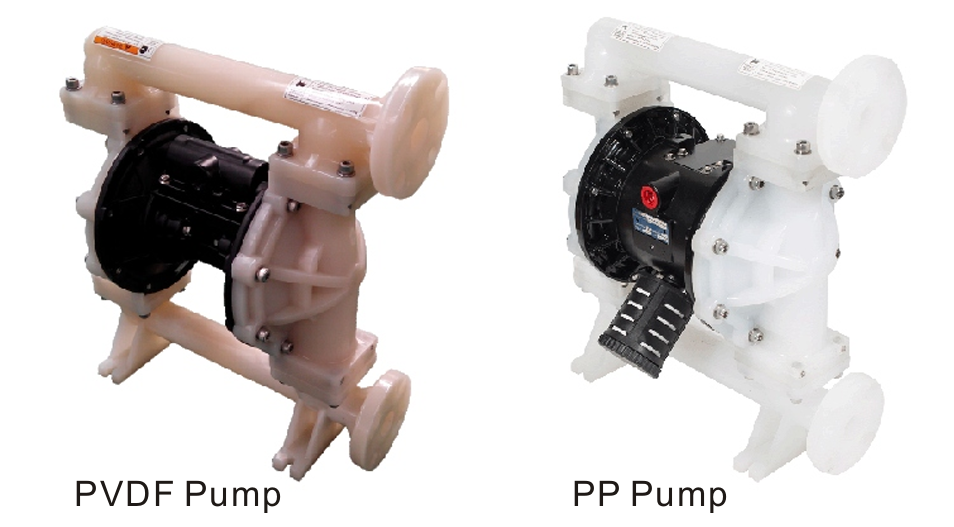
Air-operated double diaphragm, AODD, pumps are a common example. Two flexible diaphragms move back and forth, creating suction and discharge cycles.
Self-Priming and Dry Running
These pumps can:
- Self-prime without manual filling
- Run dry without seal damage
This makes them practical for sludge pits, sumps, and intermittent transfer systems.
Why Pneumatic Pumps Perform Well with Slurry
When handling heavy mixtures, durability and stability matter more than speed. Pneumatic pumps are designed around those needs.
Handles Thick and Heavy Fluids
High-viscosity slurry can overwhelm traditional pumps. Pneumatic systems:
- Maintain steady movement
- Do not rely on high-speed rotation
- Handle uneven solids distribution
This helps reduce sudden pressure drops.
Better Resistance to Wear
Because AODD pumps have fewer rotating metal parts in direct contact with slurry:
- Abrasive damage is lower
- Maintenance intervals can improve
They can use materials like rubber, PTFE, or specialized elastomers for diaphragms and check valves, which resist corrosion and abrasion.
Safer in Hazardous Areas
Since they operate on air:
- No electric sparks
- Suitable for chemical processing environments
This makes them practical in plants where flammable vapors may be present.
Easy Maintenance
Their internal design is relatively simple:
- Diaphragms are replaceable
- Parts are accessible
- No complex motor assembly
In the full article, a small comparison table between pneumatic and electric slurry pumps could help readers quickly see these differences.
Industrial Applications of Pneumatic Slurry Pumps
Pneumatic slurry pumps are used across industries where fluids are thick, abrasive, or unstable. Their flexibility makes them suitable for demanding environments.
Mining Industry
In mining operations, they are commonly used for:
- Tailings transfer
- Thick mineral slurry movement
- Dewatering support systems
These fluids often contain sharp particles that damage standard pumps.
Wastewater Treatment Plants
Municipal and industrial facilities use them for:
- Sludge transfer between tanks
- Feeding dewatering systems
- Handling digested biosolids
Their ability to run dry is useful in sludge pits.
Chemical Processing
In chemical plants, pneumatic pumps handle:
- Corrosive sludge mixtures
- Reactive by-product waste
Air operation reduces ignition risks.
Food and Pulp Industry
They are also used to move:
- Semi-solid waste
- Fiber-rich pulp mixtures
In these environments, reliability reduces production delays and cleanup time.
Key Factors to Consider Before Selecting a Pneumatic Pump
Choosing the right pneumatic pump is not just about brand or size. It requires understanding the fluid, the system, and the operating environment.
A small mismatch in sizing or materials can reduce efficiency and increase maintenance costs.
Solid Size and Concentration
Start by analyzing the slurry:
- What is the maximum particle size?
- What percentage of solids is present by weight?
Large particles may require larger internal clearances. High solid concentration increases wear and affects flow stability. Always verify the pump’s solids-handling rating before selection.
Flow Rate and Pressure Requirements
Define system needs clearly:
- Required flow rate in gallons per minute
- Total discharge pressure, including pipe losses
A simple sizing example can help: if a plant requires 60 GPM at 70 PSI, the pump must meet both conditions simultaneously, not separately. A basic flow vs pressure chart is useful here.
Air Supply Capacity
Compressed air drives performance. Check:
- Available compressor capacity
- Pump air consumption at target pressure
Undersized compressors cause unstable flow.
Material Compatibility
Slurry may contain chemicals that attack certain materials. Confirm:
- Chemical resistance of pump body
- Proper diaphragm material selection
Installation Conditions
Consider the environment:
- Indoor or outdoor exposure
- Presence of hazardous vapors
These factors influence material choice and safety compliance.
Pneumatic Pumps vs Electric Pumps for Slurry
Both pump types have their place in industrial systems. The right choice depends on fluid properties, safety needs, and operating priorities.
Safety
Pneumatic pumps are often safer in explosive or chemical environments because they operate on compressed air and produce no electrical sparks. Electric pumps work well in controlled, low-risk facilities where flammable vapors are not present.
Maintenance
Pneumatic systems have fewer rotating parts and no motor in contact with slurry. Electric pumps, especially centrifugal types, may face seal failure or motor damage when exposed to abrasive solids.
Energy Use
Electric pumps can be more energy-efficient in steady-flow applications. Pneumatic performance depends on the efficiency of the compressed air system. A small side-by-side comparison table can help decision-makers quickly evaluate trade-offs.
Common Challenges and How to Solve Them
No system is perfect, and pneumatic pumps are no exception. Common issues include:
- Air supply fluctuations causing uneven flow
- Diaphragm wear over time
- Pulsation in the discharge line
These challenges are manageable with proper planning. Use a correctly sized compressor to maintain stable pressure. Schedule routine inspections to detect diaphragm wear early.
Installing pulsation dampeners can smooth discharge flow and protect piping. Addressing these factors improves reliability and extends service life.
Conclusion
Slurry and sludge require specialized handling because they are abrasive, heavy, and unpredictable. Standard pumps often struggle under these conditions, leading to wear and downtime. Pneumatic pumps provide durability, flexibility, and safer operation in demanding industrial environments.
However, performance depends on correct sizing and proper air supply planning. Before purchasing, test fluid properties such as solid concentration and particle size. Review manufacturer performance curves to match flow and pressure requirements accurately.