
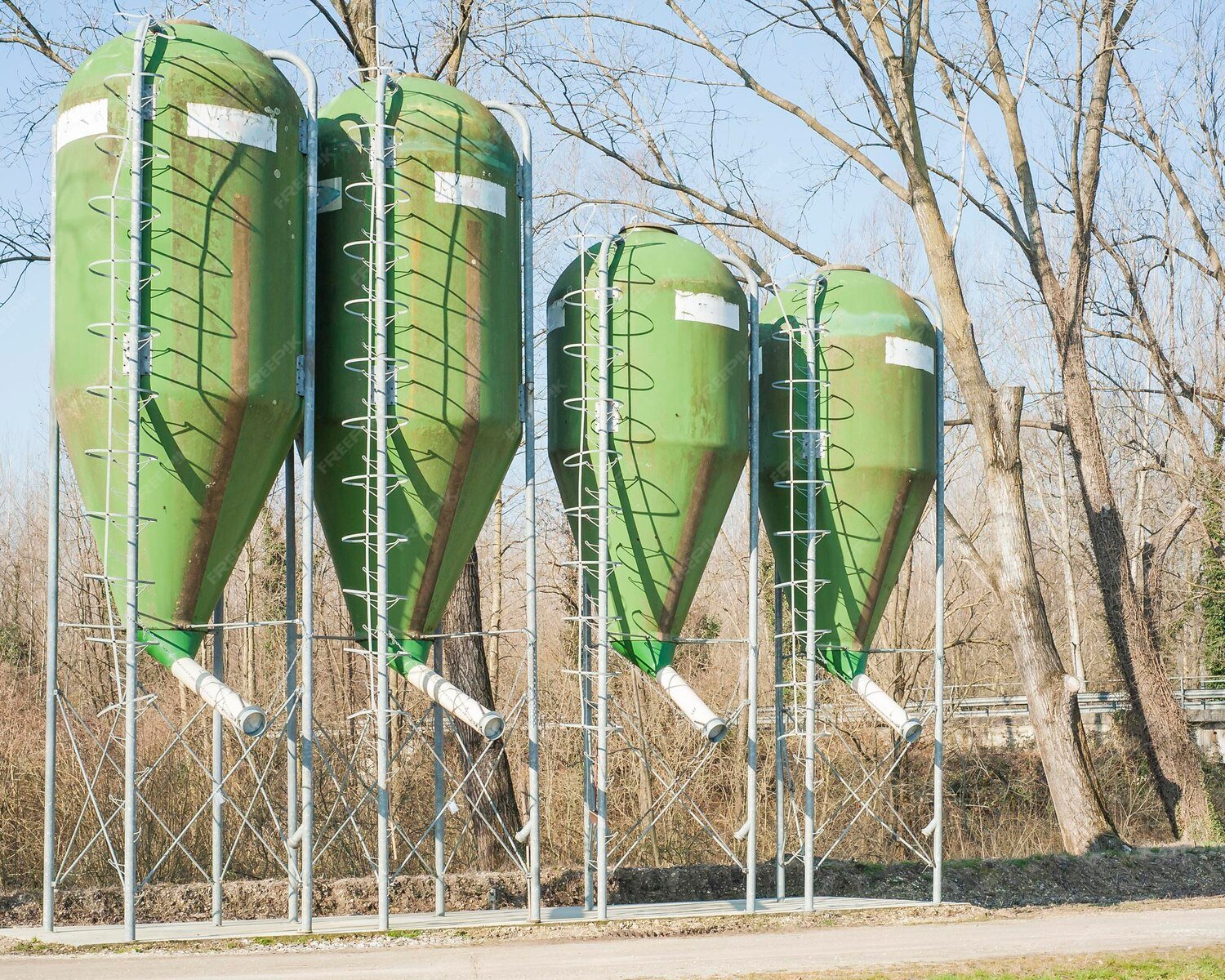
Choosing the wrong industrial air filtration system can cost a business anywhere from $15,000 to $150,000 in premature replacement, regulatory fines, and lost productivity. Yet every year, thousands of facility managers make this decision without a structured framework. If you’re evaluating a Dust Collector for your operation, this guide cuts through the noise with data-backed comparisons, real-world scenarios, and a clear decision path.
The Industrial Dust Problem: Why It Demands a Serious Investment
The global industrial dust collection market was valued at approximately $6.4 billion in 2023 and is projected to reach $9.1 billion by 2030, growing at a CAGR of 5.2%. This growth is driven by tightening OSHA regulations, EPA compliance mandates, and growing awareness of occupational lung disease.
According to OSHA data, silica dust exposure alone contributes to over 600 worker deaths annually in the United States. In the EU, the European Lung Foundation estimates that 15% of all chronic obstructive pulmonary disease (COPD) cases are work-related. Regulatory non-compliance fines under OSHA’s silica standard can reach $15,625 per violation — and up to $156,259 for willful repeat offenses.
These numbers make one thing clear: the type of dust collector you choose is not just a procurement decision. It’s a risk management decision.
Baghouse Dust Collectors: Built for Scale and Heavy Loads
A baghouse dust collector filters airborne particles using a series of fabric filter bags housed inside a large chamber. Contaminated air flows through the bags, trapping particulate matter on the outer fabric surface. Periodic pulse-jet or mechanical shaking cleans the bags and drops the collected dust into a hopper below.
Key operational specifications for baghouse systems:
- Typical airflow capacity: 5,000 – 1,000,000+ CFM
- Filtration efficiency: up to 99.9% for particles ≥ 1 micron
- Filter media lifespan: 3 to 7 years under normal conditions
- Operating temperature range: up to 500°F (with specialty media)
- Capital cost range: $20,000 – $500,000+ depending on size and configuration
Ideal industries for baghouse systems:
- Cement and concrete manufacturing
- Steel mills and foundries
- Coal-fired power plants
- Grain and feed processing
- Asphalt production
Case Study — Cement Plant, Ohio (2022): A mid-sized cement producer operating a 200,000 CFM baghouse reported a 34% reduction in annual filter replacement costs after switching to woven fiberglass bags rated for 400°F. The plant processed approximately 180 tons of clinker per day, and the system maintained PM2.5 emissions well below the EPA’s 12 µg/m³ standard.
Cartridge Dust Collectors: Precision Filtration in a Compact Footprint
Cartridge dust collectors use cylindrical pleated filter elements — typically made from cellulose, polyester, or nanofiber media — to capture fine dust. Because pleating dramatically increases surface area within a small volume, cartridge units deliver high filtration performance with a significantly smaller physical footprint than baghouse systems.
Key operational specifications for cartridge systems:
- Typical airflow capacity: 500 – 50,000 CFM
- Filtration efficiency: up to 99.99% for submicron particles (with MERV 15+ cartridges)
- Filter media lifespan: 1 to 3 years depending on dust load and moisture
- Operating temperature range: typically up to 250°F
- Capital cost range: $3,000 – $80,000
Ideal industries for cartridge systems:
- Metalworking and laser cutting
- Pharmaceutical manufacturing
- Woodworking shops
- Chemical processing (dry powders)
- Food ingredient handling
Case Study — Metalworking Facility, Michigan (2023): A precision machining shop with 22 CNC machines installed a 12,000 CFM cartridge collector with nanofiber-coated filters. Airborne metallic dust was reduced by 98.7%, and filter change intervals extended from 6 months to 14 months, saving the business approximately $11,200 annually in consumable and labor costs.
Side-by-Side Comparison: Baghouse vs. Cartridge
| Feature | Baghouse Dust Collector | Cartridge Dust Collector |
| Airflow Capacity | 5,000 – 1,000,000+ CFM | 500 – 50,000 CFM |
| Filtration Efficiency | Up to 99.9% (≥1 micron) | Up to 99.99% (submicron) |
| Footprint | Large (requires dedicated space) | Compact (fits on shop floor) |
| Capital Cost | $20,000 – $500,000+ | $3,000 – $80,000 |
| Filter Lifespan | 3–7 years | 1–3 years |
| Max Temperature | Up to 500°F | Up to 250°F |
| Best Dust Load | High (heavy industrial) | Low to medium |
| Moisture Tolerance | Moderate to high | Low (can blind cartridges) |
| Maintenance Frequency | Lower (robust media) | Higher (pleated filter care) |
| Regulatory Compliance Fit | NESHAP, MACT standards | OSHA silica, NIOSH standards |
5 Critical Factors That Should Drive Your Decision
- Dust Volume and Particle Size If your process generates more than 10 grains per cubic foot (gr/ft³) of dust loading, baghouses are generally the more cost-effective choice at scale. For fine dusts below 1 micron in environments with lower volumes, cartridge systems with HEPA or nanofiber media outperform fabric bags.
- Available Floor Space A baghouse handling 50,000 CFM may require a footprint of 400–600 square feet, including structural supports. An equivalent cartridge system might occupy 80–120 square feet. For facilities in high-rent industrial zones — where floor space averages $8–$22 per square foot annually — this difference carries significant financial weight.
- Temperature and Moisture Conditions Baghouses with high-temperature media (e.g., fiberglass, aramid, or PTFE-coated fabric) routinely handle exhaust streams above 300°F. Cartridge filters, in contrast, are vulnerable to moisture and high heat, which can cause cellulose or polyester media to blind quickly, spiking pressure drop and reducing airflow efficiency.
- Total Cost of Ownership (TCO) Over 10 Years The purchase price tells only part of the story. Consider:
- Filter replacement frequency and unit cost
- Energy consumption (pressure drop affects fan motor load)
- Downtime during filter changes
- Disposal costs for hazardous collected materials
A 10-year TCO analysis for a 20,000 CFM system typically shows baghouses costing 12–18% less in total over the period, despite higher upfront capital — largely due to longer filter lifespans and lower per-unit filter costs.
- Regulatory Environment Industries subject to NESHAP (National Emission Standards for Hazardous Air Pollutants) or MACT (Maximum Achievable Control Technology) standards often require the proven filtration records that baghouses offer. Pharmaceutical and food facilities subject to FDA or GMP standards may require the higher-efficiency submicron capture that advanced cartridge filters provide.
Operational Cost Breakdown: A 5-Year Projection
| Cost Category | Baghouse System (20,000 CFM) | Cartridge System (20,000 CFM) |
| Initial Capital | $65,000 | $28,000 |
| Filter Replacement (5 yr) | $9,500 | $22,000 |
| Energy Cost (5 yr) | $18,200 | $21,400 |
| Maintenance Labor (5 yr) | $7,500 | $11,000 |
| Unplanned Downtime Cost | $3,000 | $5,500 |
| 5-Year Total | $103,200 | $87,900 |
Note: Figures are industry-average estimates based on $0.12/kWh electricity and 2,000 operating hours/year. Actual costs vary by location, dust type, and operating conditions.
This table reveals a key insight: cartridge systems have a lower 5-year TCO for smaller operations, but the math shifts for higher-volume or higher-temperature applications where baghouses earn back their capital investment.
When the Decision Isn’t Clear-Cut
Some operations genuinely fall in the gray zone. A woodworking facility with both fine sanding dust and heavier routing debris, for example, may benefit from a hybrid system — a pre-separator cyclone feeding into a cartridge unit — reducing fine particulate load while protecting filter media from coarse material damage.
Similarly, a foundry with variable production schedules might find that modular baghouse units (multiple smaller chambers that can be isolated for cleaning without shutting down the whole system) offer operational flexibility not available in single-pass cartridge designs.
- In hybrid configurations, cyclone pre-separators can remove 50–70% of particle mass before air reaches the primary filter, dramatically extending filter life regardless of system type.
- Modular designs typically add 15–25% to upfront capital but reduce unplanned downtime risk by 40–60% in high-volume facilities.
Senotay — Industrial Dust Collection Solutions
Senotay (Hebei OuTai Environmental Protection Equipment Co., Ltd.) is a China-based industrial dust collector manufacturer and supplier with nearly two decades of industry experience, serving clients across metallurgy, mining, cement, chemical, pharmaceutical, and food processing sectors. Their product line spans baghouse dust collectors, cartridge dust collectors, electrostatic precipitators, cyclone systems, and a full range of dust removal accessories including filter bags, pulse valves, and conveying equipment.
Senotay holds ISO 9001, ISO 14001, and ISO 45001 certifications, reflecting their commitment to quality management, environmental responsibility, and occupational health standards. With a dedicated technical support team, global logistics capability, and customized engineering solutions, Senotay serves as a reliable one-stop partner for businesses that need dependable, compliant, and cost-effective dust collection systems — from initial specification through installation and after-sales support.