
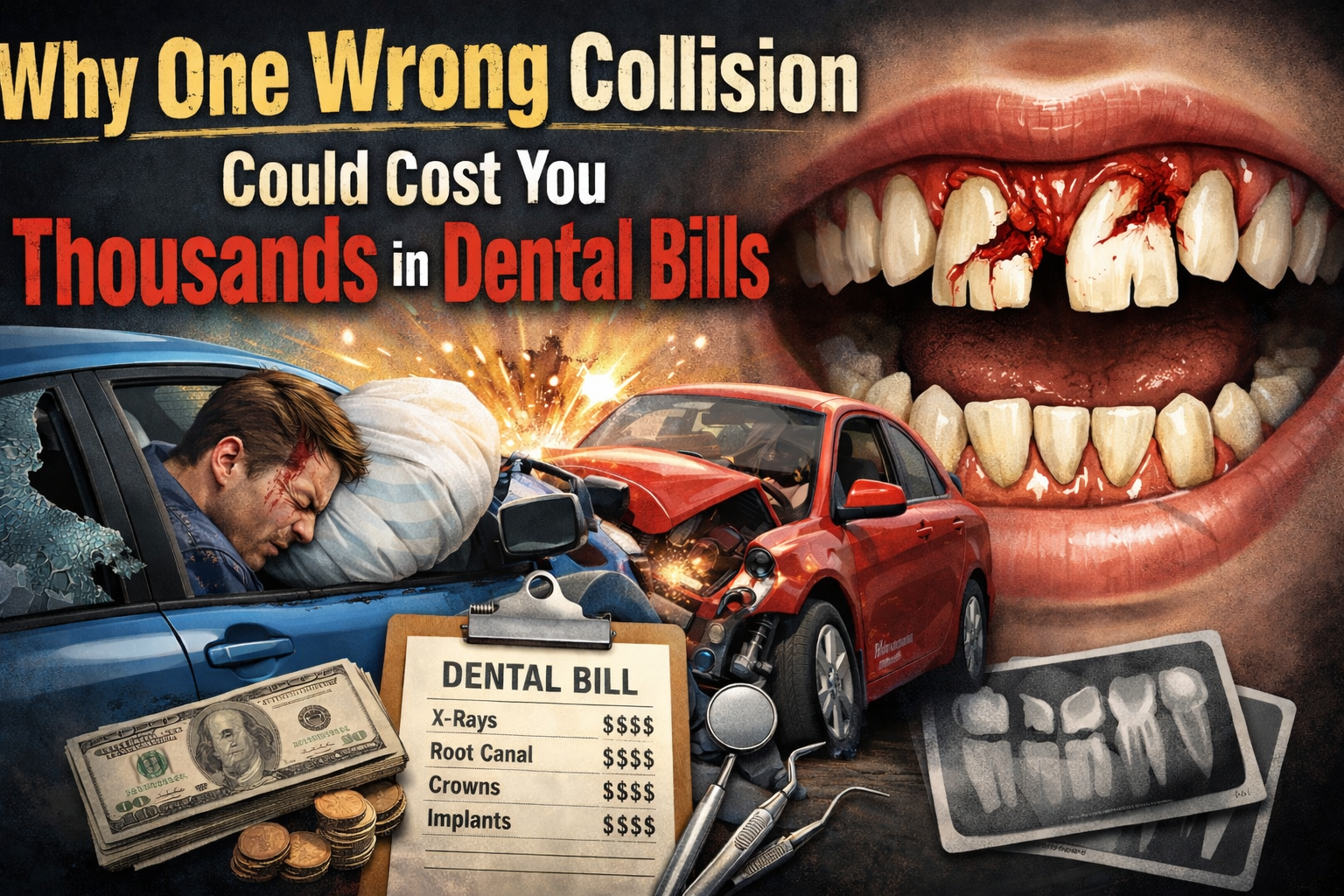
Participation in physical competitions brings numerous advantages, from cardiovascular health to improved bone density. However, the physical nature of these pursuits carries inherent risks that extend beyond the typical scrapes and bruises. While most athletes are diligent about shielding their shins, knees, and heads, the oral cavity remains one of the most frequently injured areas of the body. A single momentary lapse in a game can lead to a lifetime of expensive dental restorations and chronic pain.
The Financial Reality of Oral Trauma
A dental emergency is rarely a one-time expense. When a tooth is knocked out or fractured during a game, the immediate bill for emergency services is only the beginning. Replanting a tooth or stabilizing a fracture requires specialized care from endodontists and oral surgeons. If the natural tooth cannot be saved, the patient faces the high cost of a dental implant, which often involves bone grafting and multiple surgical appointments.
Over several decades, an implant or a bridge will likely need to be replaced or repaired. Crowns can crack, and gums can recede, requiring further intervention. When you calculate the cumulative cost of these procedures, a single collision can easily result in tens of thousands of dollars in medical debt. This financial burden is entirely preventable with the right defensive equipment.
Types of Common Athletic Dental Injuries
The most frequent injuries seen in high-impact environments include tooth avulsion, luxation, and crown fractures. Avulsion occurs when the entire tooth, including the root, is knocked out of the socket. This is a time-sensitive emergency where every minute counts toward the possibility of saving the tooth. Luxation involves a tooth being pushed out of its original position, either deeper into the jaw or tilted to the side, which often damages the surrounding nerves and blood vessels.
Crown fractures are perhaps the most common, ranging from minor enamel chips to deep cracks that expose the sensitive pulp. These injuries often lead to intense sensitivity and require root canal therapy to prevent infection. Without a barrier to absorb the energy of a blow, the force travels directly through the rigid structure of the teeth, causing them to shatter like glass under pressure.
Protecting the Soft Tissues and Jaw
Injuries are not limited to the teeth alone. A collision often forces the sharp edges of the teeth into the soft tissues of the lips, cheeks, and tongue. These lacerations can be deep and often require sutures to close properly. In many cases, the scarring from such an injury can affect the symmetry of the face or lead to permanent nerve damage in the lips.
Furthermore, the jaw joint is highly susceptible to trauma. A blow to the lower face can drive the mandible upward into the base of the skull. Utilizing a professional mouth protector for sports activities creates a vital space between the upper and lower jaws. This separation acts as a mechanical buffer, preventing the lower jaw from being jammed into the joint socket and reducing the likelihood of a fracture or a debilitating dislocation.
The Limitation of Basic Equipment
Many participants rely on inexpensive, over-the-counter options that offer a false sense of security. These generic devices are often thin and do not stay in place during a high-speed collision. If a safety device is floating loosely in the mouth, it cannot effectively redistribute the force of an impact. It may even become a choking hazard during a particularly violent fall.
Professional-grade protection is designed to fit the exact anatomy of the individual. This ensures that the device remains securely attached to the upper teeth, allowing the athlete to breathe and communicate without restriction. A proper fit ensures that the material is at its thickest point over the most vulnerable areas, providing maximum energy absorption where it is needed most.
Long Term Health Implications
Beyond the immediate financial and physical pain, dental trauma can have long-term psychological effects. A damaged smile can impact a person’s self-esteem and willingness to engage in social situations. For younger athletes, a major dental injury can lead to a fear of the sport they once loved, causing them to withdraw from healthy physical activity.
Chronic jaw pain and headaches are also common side effects of untreated or poorly managed facial trauma. By investing in preventative measures early, you are not just saving money; you are protecting your overall quality of life and ensuring that your athletic career is defined by your achievements on the field rather than your time in a dental chair.
Shifting the Focus to Prevention
In the world of athletics, the best offense is a good defense. While you cannot control the movements of an opponent or the trajectory of a stray ball, you can control the level of protection you wear. Making oral safety a standard part of your gear bag is a small step that yields massive dividends in terms of health and financial stability. No trophy or win is worth the permanent loss of your natural teeth.