
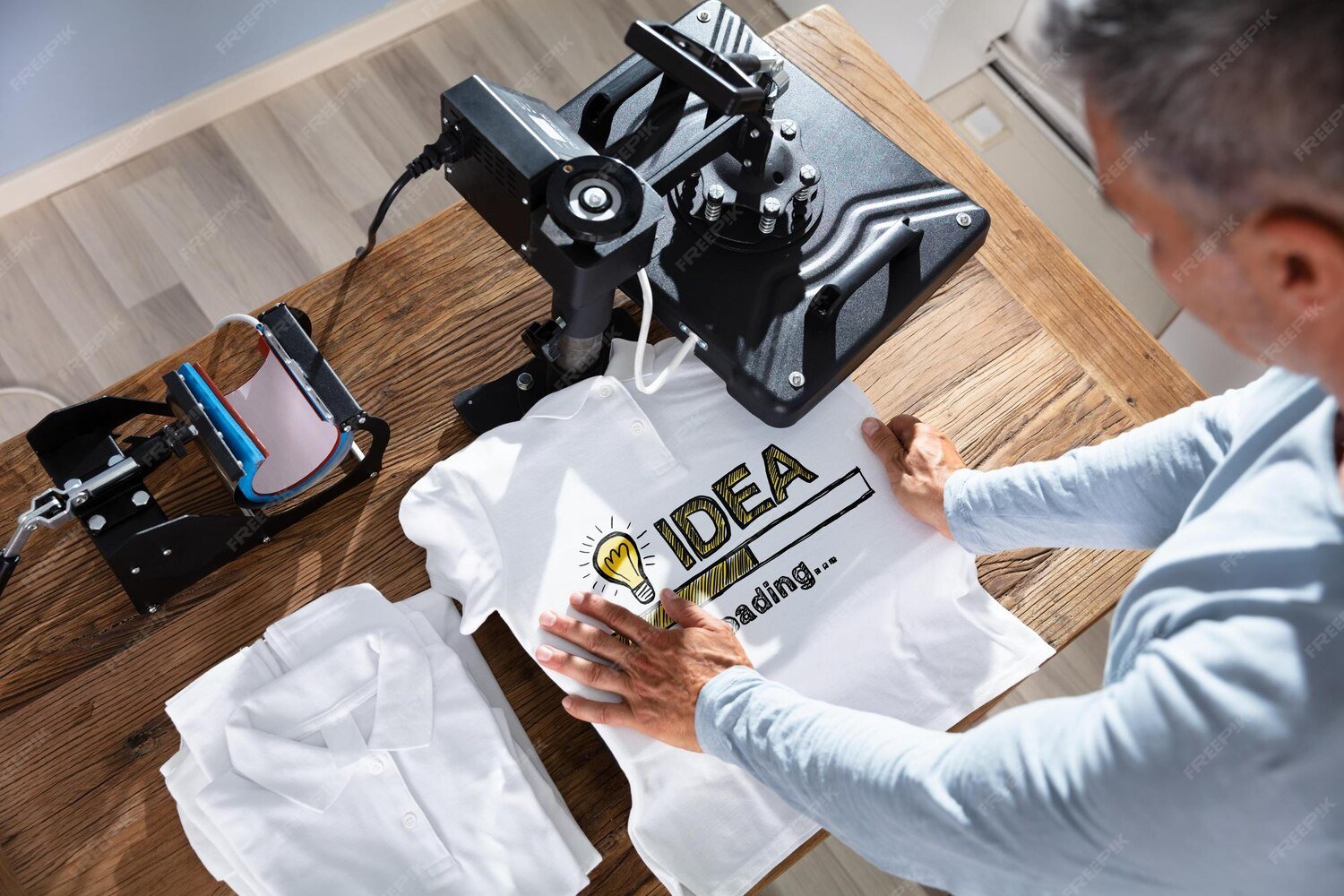
Running a small apparel business requires balancing creativity, production efficiency, and customer satisfaction. Shop owners need equipment that allows them to focus on designs while ensuring consistent output. Downtime or printing errors can lead to wasted materials, missed deadlines, and lost revenue. Investing in reliable desktop printing equipment helps operators maintain high-quality production without constant maintenance stress. For home studios or small shops, a low-maintenance setup that is beginner-friendly can make all the difference in workflow efficiency and profitability.
Reliable Output for Daily Printing
Consistency is key when producing custom apparel, whether for local events, small team orders, or online shop fulfillment. Each garment must meet quality expectations without requiring multiple reprints. A dependable desktop printer reduces frustration and material waste, allowing shop owners to focus on packaging, design updates, or customer service. Operators can achieve uniform results across multiple garments while handling orders efficiently.
Reducing Downtime and Maintenance Hassles
One of the biggest challenges in small-batch production is dealing with printer issues after periods of inactivity. Traditional systems often suffer from clogged nozzles or misaligned prints after sitting idle. Choosing a machine built to handle these gaps ensures that the next print session starts without troubleshooting, saving time and avoiding stress. Weekend breaks or uneven order flows no longer result in costly delays.
Managing Small-Batch Workflows
Small-batch production demands precision and consistency. From personalized team shirts to merchandise for local events, reliable output ensures that each order meets expectations. When equipment is designed to be stable and low-maintenance, operators can complete several orders in one evening without repeated interruptions. This allows small shops to serve clients efficiently while maintaining high-quality standards.
Beginner-Friendly Features
For first-time users or those transitioning from HTV Vinyl or traditional heat transfer methods, ease of use is essential. Intuitive controls, beginner-focused software, and simplified operation make learning the printing process faster and less intimidating. This setup allows new team members or family helpers to become productive quickly while maintaining consistent quality in each project.
Protecting Materials and Minimizing Mistakes
Ink or transfer mishaps can quickly become expensive. Ruined films, misaligned prints, and stained garments affect profitability and slow production. A printer with built-in safeguards and alerts helps identify problems early, preventing costly errors. Operators can multitask while printing, confident that issues will be flagged before they impact the order. Using a heat press alongside the system ensures that each transfer adheres properly and lasts through multiple washes, enhancing the professional look of garments.
Handling Uneven Order Flow
Small shops often experience fluctuating demand, with slow weekdays and sudden spikes during promotions, events, or seasonal sales. Equipment capable of managing both daily small-batch production and occasional high-volume runs ensures that all orders are fulfilled efficiently. This flexibility allows operators to maintain high-quality results while meeting deadlines, regardless of order size.
Enhancing Results with Heat Press
After printing, pressing each design with a quality heat press guarantees proper adhesion and durability. Temperature and pressure control are critical for consistent, professional finishes. Pairing a desktop printer with a heat press streamlines the workflow, allowing small operators to produce garments with uniform quality, batch after batch.
Adding Variety Using HTV Vinyl
In addition to full-color prints, using HTV Vinyl provides opportunities for layered designs, names, or logos. High-quality HTV Vinyl ensures vibrant, durable designs that maintain adhesion after multiple washes. For small shops, this versatility allows creative customization without slowing production, offering customers unique products while minimizing mistakes.
Organizing Small-Shop Workflows
Even in compact workspaces, an organized workflow improves efficiency and reduces errors. Printing, pressing, and material preparation areas should be clearly defined. Alerts built into the printer allow for periods of unattended operation, enabling operators to multitask effectively while ensuring each print session runs smoothly. Streamlined routines reduce stress and keep production moving efficiently from start to finish.
Adapting to Occasional High-Volume Orders
Events, promotions, or local markets may require bursts of production beyond the typical daily output. A desktop printer capable of managing these spikes without sacrificing quality is essential. Operators can meet these higher demands without needing to invest in larger, more complex industrial systems, keeping both costs and workflow manageable.
Consistent Quality Across Multiple Garments
For small shops, consistency in output is crucial for customer satisfaction. A reliable printer ensures that each garment, whether a single custom order or a batch, meets the same high standards. Reduced reprints and fewer material errors lead to more efficient operations and lower costs, supporting better margins for the business.
Simplified Setup Encourages Growth
Low-maintenance equipment allows small operators to scale their business gradually. Beginner-friendly software, combined with durable hardware, reduces the learning curve and minimizes mistakes. Using a heat press and high-quality HTV Vinyl ensures that even as production expands, every garment maintains a professional finish without adding complexity to the workflow.
Choosing Equipment Suited for Small Shops
For small businesses, reliability and ease of use are more valuable than sheer speed. Desktop printers designed for steady performance, minimal maintenance, and durable construction are ideal. When combined with a heat press and high-quality HTV Vinyl, shop owners can maintain consistent production, handle varied order sizes, and produce professional-quality garments without constant supervision.
Maximizing Efficiency in a Small Studio
Well-organized workspaces increase productivity and reduce mistakes. Clear separation between printing, pressing, and preparation areas allows for multitasking without compromising quality. Keeping supplies accessible and maintaining an efficient workflow ensures that each order progresses smoothly from start to finish.
Reducing Waste and Cost
Small shops often operate with limited budgets, making material conservation critical. Built-in printer safeguards, paired with heat press precision and premium HTV Vinyl, minimize mistakes and reduce wasted garments. Detecting potential issues early preserves materials, saves money, and keeps production schedules on track.
Supporting Small Business Growth
A low-maintenance best dtf printer for small business provides a foundation for expansion. Operators can start with modest daily batches and scale production as demand increases. The combination of intuitive printing, reliable heat press usage, and high-quality HTV Vinyl ensures professional results across all orders while keeping workflows manageable and stress-free.
Conclusion
Small apparel businesses thrive when production is reliable, consistent, and easy to manage. Investing in a best dtf printer for small business reduces downtime, prevents errors, and allows operators to focus on design, fulfillment, and customer engagement. Pairing this printer with a quality heat press and high-grade HTV Vinyl ensures garments are durable, professional, and uniform across orders. Shop owners seeking a low-maintenance, beginner-friendly solution can explore options at HTVRONT D2 DTF Printer to establish a workflow that supports both daily production and occasional high-volume bursts while maintaining quality and efficiency.