
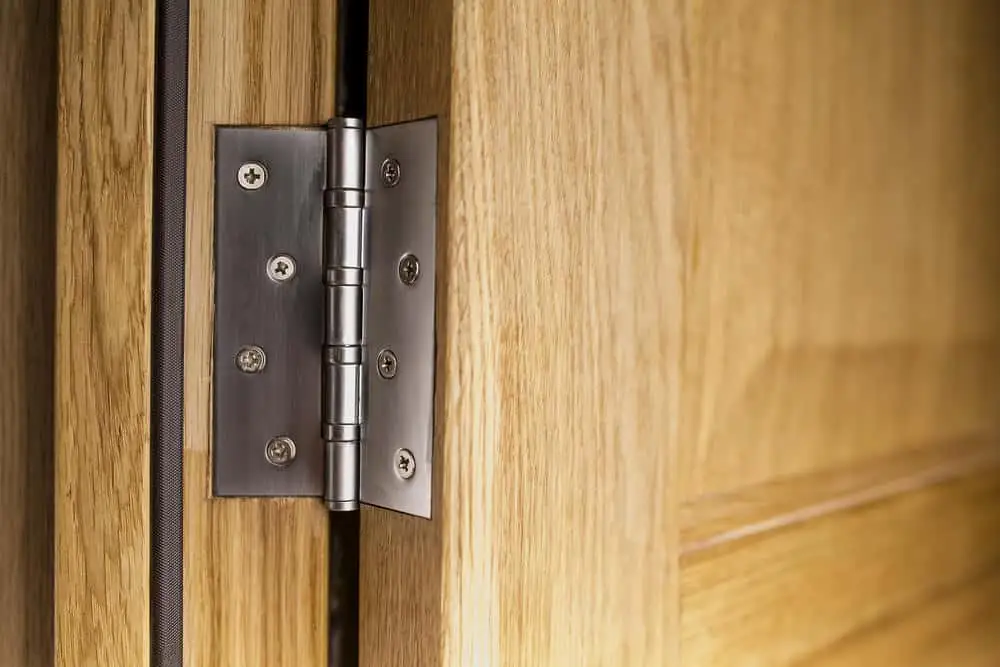
In any sports facility, it becomes commonplace to see doors slammed shut. People tend to be in a rush when they are in a sports facility, meaning that doors are swung open and then often shut without anyone stopping them from clattering. That becomes problematic for your staff trying to focus, but also for the doors themselves. Composite door hinges are not invulnerable, after all; they eventually break.
And when hinges break or fail, they leave you with quite a few problems. Doors can stop working as they should. They can start to feel very loose when opened, causing more clattering shut. Or, they become too tight and feel like they need a weight lifter to open. Doors could also drop from their needed position, meaning the door drags open. Either way, composite door hinges need genuine care.
To help you understand the problem with your hinges, Locks & Hardware staff are on hand. We spoke to them about the best way to deal with composite door hinge adjustment. What can you do to keep your sports facilities operating smoothly despite the constant usage?
Why Do Composite Door Hinges In Sports Facilities Wear Out?
The main reason is quite simple: excessive wear and tear. These hinges get used – a lot!
That means that the hinges eventually come under extensive strain, causing the door to suffer from a lateral or vertical drop. Thus, the doors stop working as smoothly as they used to. That puts a strain on your doors, but also on those using the doors. Opening doors becomes more challenging for all.
There is also the risk that a door that jams or snags when opening creates a health hazard. Someone could be hurt, or in the event of an emergency, an exit door that is stuck could cause panic. Adjusting door hinges, then, becomes very important. For the most part, hinge adjustments resolve these issues.
Busy sports facilities have doors that are constantly being opened and closed. Most of the time, they are opened quickly and left to close unimpeded or slammed shut. Hinges are not made to last forever; eventually, they will buckle. That means having to replace the whole hinge, which can be costly.
Therefore, learning how to adjust composite door hinges should be a priority for all sports facility maintenance staff. Let’s look at some basic tips for how to safely adjust your door hinges.
How To Adjust Composite Door Hinges For Increased Durability
To make sure that you don’t need to replace your hinges anytime soon, carrying out adjustments to your composite door hinges is highly recommended. The best places to start include:
Look For Signs Of Damage
The first thing that you should do is open your composite doors as wide as you can. Use a wedge to keep the door open for longer. Review the hinges closely. Does anything look worn out or broken? You should be able to tell from a thorough look. Most of the time, the damage will be pretty notable. Look for cracks in the hinges, loose parts, and visible signs of tarnishing.
Check For Loose Screws
Sometimes, all you need to do is go around your hinges and tighten the screws. Do this with a Phillips screwdriver, though some might require a flat-head screwdriver instead. Check each screw carefully and tighten it up. If you tighten the screws, test the door. Tightening screws will make the door feel less loose, so make sure you don’t tighten the screws too much or the door might feel too tight.
Loose screws, though, are the leading cause of doors dropping down or feeling overly loose to open. If this is the profile of the problem you have, tightening your screws should be enough to fix the issue.
Check For Alignment Issues
Next, you should take the time to review your composite door hinges for any problems with alignment. You should be able to tell if a door needs to be raised or lowered simply by opening it and closing it. Do you see the door dragging on the floor or the doorframe? If so, it needs to be adjusted higher or lower.
You will do this usually by adjusting the top of the composite door hinge. Pop the little plastic cap off the top, and you can then use an Allen/Hex key to access the top of the hinge pin. Rotate this clockwise to make the door rise, and counterclockwise to lower the door.
Take these turns in small intervals, usually one or two full rotations at a time, and then test. Use a spirit level for confirmation that your doors are now correctly aligned, too. When finished, put the plastic cap back on your composite door hinges.
Lubricate Your Composite Door Hinges
Once you have carried out the above tests, add some silicone-based lubricant to each of your hinges. This can stop the hinges from seizing up or fighting against their constant usage quite so much. When your hinges begin to lose lubrication, they lose flexibility. As such, they become much tougher to use. Each subsequent usage will worsen the problem, too, so apply some lubricant to help performance.
Pro Tip: Do Not Wait Until Problems With Composite Door Hinges
Proactivity is going to be the best way to make sure that your door hinges continue to work as they should. Take the time to carry out a root and branch review of all sports facility composite door hinges. Check them out on a monthly basis, if possible, but at least once every two months.
Taking the initiative means that you should be more likely to avoid problems with your composite door hinges. Regular hinge checks should fix the issue before it gets any worse. Also, take immediate action if any staff member or facility user spots a problem with your doors.
The sooner you deal with the issue, the longer you will get out of your composite door hinges. Hinges are made to last, but not forever; adjust them regularly to extend their lifespan.