
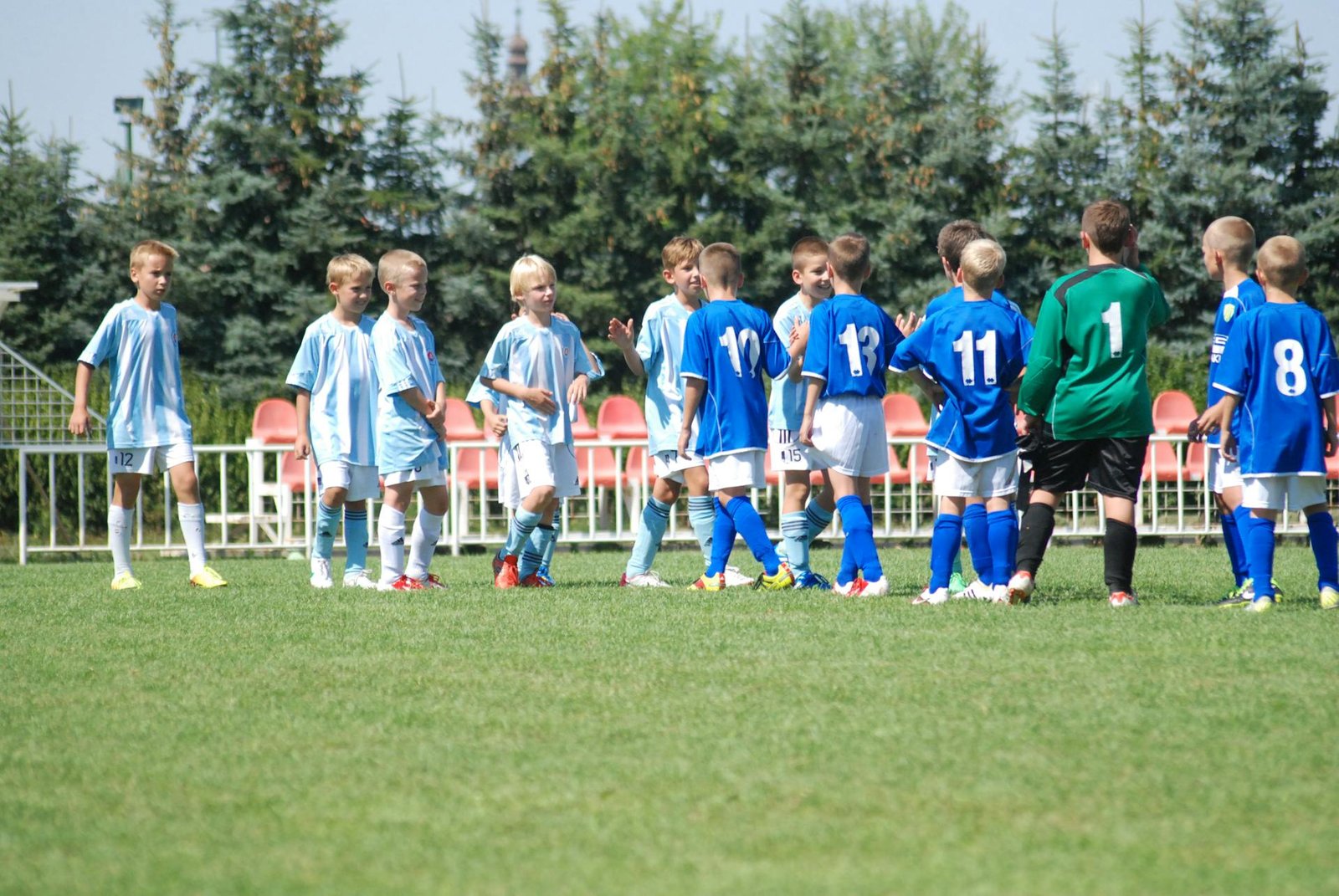
For young athletes, summer is typically the ideal season. When school ends and the stress subsides, children are suddenly free to workout hard, push themselves, and form lifelong habits. The really good summer programs do much more than just fill up the long days. They give focused, quality training that’s almost impossible to get during a normal school term.
Why More Kids Are Joining Summer Sports Again
Youth sports took a big knock during the pandemic, but they’re bouncing back strongly now. Reports from the Aspen Institute’s Project Play show participation climbing in many places as families hunt for ways to get their children active, fix skill gaps, and shake off too much screen time.
Parents spot the difference almost straight away. Children return home feeling happier, more fit, and excited about their new friendships. Programs now feel more balanced and less intensive, which is a positive adjustment. They’ve moved away from pushing kids into one sport too early. Instead, you see more variety such as flag football being a great example that’s growing fast, especially with girls. It’s fun, inclusive, and actually gets more children involved.

How Summer Sports Programs Deliver Real Benefits
The best programs create real, noticeable improvements.
- Physical Growth – Consistent training builds stronger hearts, tougher bones, better coordination, and helps kids stay at a healthy weight. With so many children glued to screens these days, this makes a huge visible difference.
- Mental and Emotional Strength – Young athletes usually come away with more confidence, better focus, and useful ways to deal with nerves or setbacks. There’s something powerful about being part of a team that sense of belonging really matters.
- Brain Power and School Results – Staying active seems to sharpen the mind. Many parents notice their children concentrate better and even perform better in class after a good summer of sport.
- Injury Prevention – Smarter programs now take this seriously. They teach proper warm-ups, good technique, rest days, and training suitable for a child’s age helping cut down on those overuse injuries that used to be so common.
It’s easy to see why so many families now treat these programs as a proper investment rather than just “something to do.”
Building Life Skills That Go Far Beyond Sport
This is where summer sports really shine. They help mould better individuals, not simply better sportsmen. Children learn how to set realistic objectives, deal with setbacks, collaborate with a variety of teams, and fight through difficult times. These encounters foster resilience, leadership, and decision-making abilities that are useful in the classroom, in future careers, and in life in general.
They also learn the following crucial lessons:
- Time management – Learning to balance training, rest, and everything else teaches real discipline.
- Social skills – Making friends in an active, team environment naturally improves communication and understanding of others.
- Grit and perseverance – Pushing through hard sessions builds mental toughness that carries into every part of life.
- Nutrition and recovery – Many programs now explain the basics of how food and rest actually help performance.
A trend that makes a lot of sense is giving kids variety. While many kids perform significantly better when they attempt many sports, some kids like delving deeply into just one. The multi-sport strategy frequently prevents burnout and produces happier, more well-rounded athletes who continue to participate in sports for longer.
Choosing the Right Summer Program
Not all programs are the same. Thoughtful parents and coaches look carefully at a few important things:
- The experience and quality of the coaching team
- Good coach-to-player ratios so kids get proper attention
- The right mix of hard work and actual enjoyment
- Solid safety rules and emergency procedures
- Real inclusivity for different abilities and backgrounds
Cost is a big issue these days. Families are spending a lot a year on one child’s main sport, and the numbers keep going up. That makes it even more important to pick programs that truly deliver. Football summer camps stand as one popular example, offering intensive yet enjoyable training that combines technical improvement with social development.
Looking Ahead
Summer sports are getting better every year. Coaches are better trained, technology is helping track progress smarter, and there’s a bigger focus on overall wellbeing. The main aim stays simple: keep young people active, happy, and supported long term.
When you get it right, these summer experiences leave kids with fitter bodies, stronger minds, and a quiet confidence that goes way beyond sport. They help raise young people who are more capable and ready for whatever comes next in life.